1. Executive Summary & Market Context
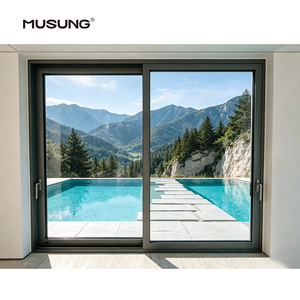
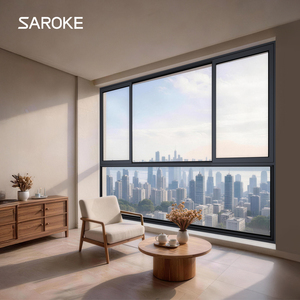
In modern architectural design, the boundary between interior living quarters and exterior spaces—such as lanais, verandas, pool enclosures, and sunrooms—has shifted from rigid physical division to fluid, continuous structural transitions. For luxury residential developments, coastal villas, and high-end hospitality projects, aluminum lanai doors represent a vital fenestration element requiring high structural load capacities, tight thermal insulation, and long-term corrosion resistance.
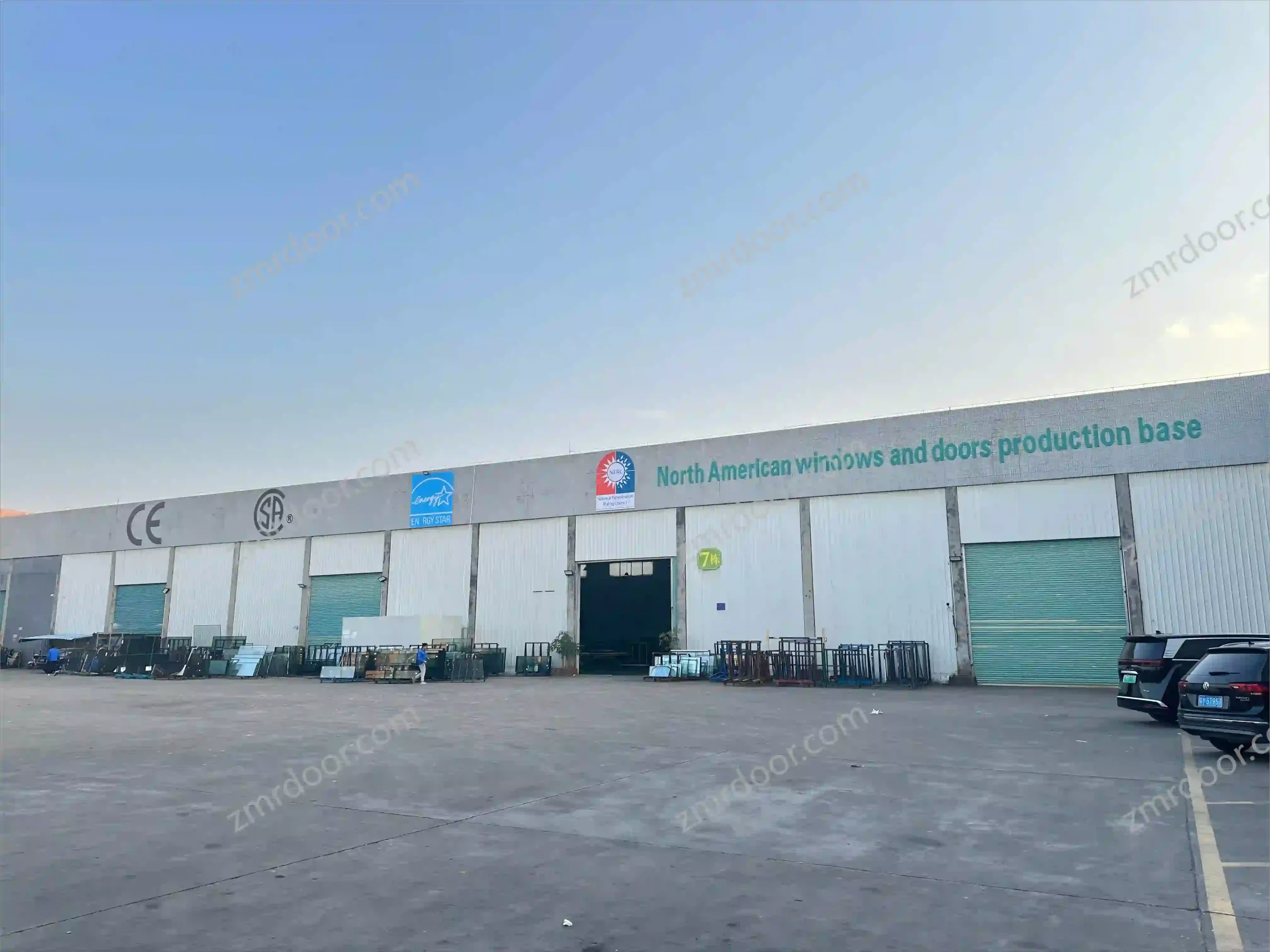
As global building energy codes tighten under frameworks such as the European Union’s Energy Performance of Buildings Directive (EPBD) and North America’s NFRC standards, global importers, dealers, and project managers must source products that combine aesthetic elegance with certified performance. Sourcing CE Certified Aluminum Lanai Doors directly from accredited Chinese manufacturing leaders like Veltor Window & Door Co., Ltd. (located in the global aluminum hub of Foshan, Guangdong) ensures project buyers achieve low procurement costs without compromising structural integrity or regulatory compliance.
2. Comprehensive Technical Specification Matrix
To assist architects, structural engineers, and commercial procurement managers in evaluating profile selection, thermal barrier mechanics, and glass build-ups, the following matrix contrasts standard market offerings against Veltor’s engineering benchmarks:
| Engineering Attribute | Standard Commercial Grade | Veltor CE-Certified Lanai Systems | Testing Protocol / Compliance |
|---|---|---|---|
| Aluminum Alloy Profile | 6063-T5 (1.4mm - 1.6mm wall thickness) | Primary 6063-T6 / 6005-T6 (2.0mm - 3.0mm structural wall) | GB/T 5237 / ASTM B221 |
| Thermal Break Strip | PVC or low-density nylon strips | Polyamide PA66 GF25 (24mm - 34mm multi-cavity insulation) | EN 14024 Structural Shear Test |
| Surface Coating | Standard liquid spray / cheap powder coat | AkzoNobel / PP&G Fluorocarbon PVDF & Qualicoat Class 2 | AAMA 2605 / ISO 2810 (10-25 Yr Warranty) |
| Glazing Assembly | Single or basic 5mm+6A+5mm IGUs | Double/Triple Tempered Low-E + Argon + Warm Edge Spacers | CE EN 12150 / SGCC / AS/NZS 2208 |
| Weather Sealing | Rubber or low-density PVC gaskets | Triple Continuous EPDM + Co-extruded Silicone Gaskets | EN 12365 Gasket Durability |
| Hardware Mechanism | Unbranded domestic sliding rollers | CMECH / Siegenia / Hoppe Multi-Point Heavy Duty Locks | 25,000 to 50,000 Cycle Life Testing |
3. Technological Innovations Driving Product Development Trends
The global demand for high-end lanai doors is defined by four distinct engineering breakthroughs that combine thermal performance, structural safety, and minimal sightlines:
Multi-Cavity Thermal Break Engineering
By inserting high-grade Polyamide PA66 GF25 (reinforced with 25% glass fiber) into extruded aluminum profiles, heat transfer between exterior and interior chambers is halted. Advanced multi-cavity designs filled with expanded polyurethane foam (PU) drop U-values below 1.1 W/m²K, making them suitable for severe heating and cooling zones.
Structural Wind Load & Hurricane Impact Resistance
For coastal lanai projects across Florida, the Caribbean, Southern Europe, and Australia, extreme wind pressures and windborne debris present severe hazards. Advanced high-impact lanai doors incorporate laminated safety glass (PVB/SGP interlayers) and reinforced structural mullions engineered to pass ASTM E1886/E1996 and CE Class C5 wind resistance tests.
Minimalist Ultra-Slim Sightlines
Architectural trends favor max glass coverage with concealed frames. Structural lift-and-slide doors feature vertical interlock widths as narrow as 20mm to 25mm while supporting panel weights up to 400kg through heavy-duty stainless steel carriage rollers.
Information Gain Insight: Mitigating Water Ingress in Flush Threshold Systems
A common failure point in large patio and lanai door installations is water leakage at the bottom sill when flush floor transitions are specified. Traditional low-profile tracks sacrifice water resistance for accessibility. Veltor solves this through integrated structural drainage channels equipped with check valves and hidden sub-sill drainage pans. Under CE EN 12208 testing, our concealed drainage systems withstand water pressures up to 1050 Pa (E1050 class), proving that flush barrier-free thresholds can maintain high watertight integrity.
4. Future Sourcing & Global Procurement Trends (2025–2030)
When sourcing aluminum lanai doors globally, B2B procurement leaders must prepare for key market shifts over the coming decade:
- Decarbonization & Low-Carbon Aluminum Billets: Institutional buyers increasingly require Environmental Product Declarations (EPD). Leading Chinese factories are adopting hydro-powered and recycled aluminum extrusions to lower embodied carbon footprint per square meter.
- Smart Home Automation & Concealed Motorization: Commercial spaces and luxury estates are transitioning from manual sliding/folding panels to motorized smart doors integrated with building management systems (BMS), smartphone controls, and automated rain sensors.
- Strict CE & CPR Compliance Audits: European Union customs authorities are increasing checks under the Construction Products Regulation (CPR 305/2011). Importers must verify that their suppliers provide genuine Declaration of Performance (DoP) documents and factory production control (FPC) audit certifications.