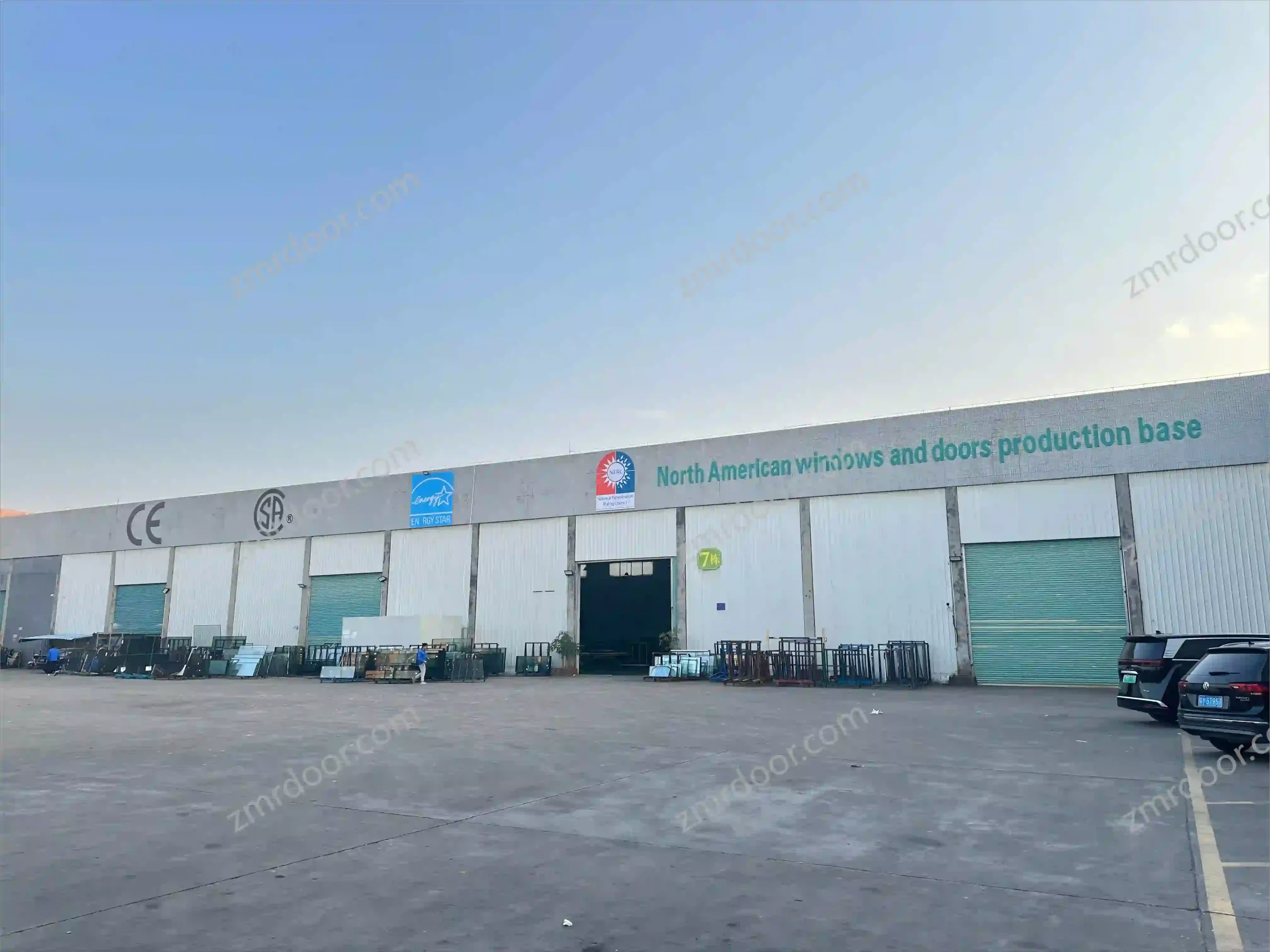
Featured Architectural Aluminum Systems
Factory-direct thermal-break casement windows, ultra-slim glass doors, and heavy-duty sliding systems engineered for international building codes.
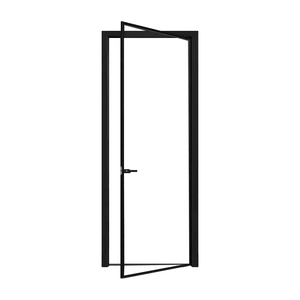
Black Frame Glass Narrow Frame Interior Partition Bathroom Glass Door European Aluminum Frost Glass Casement Door for House
Glazing: Tempered Frosted Safety Glass
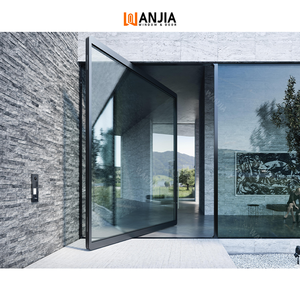
WANJIA Customized Glass Front Door Exterior Security Front Aluminum Door Main Entrance Villa Glass Pivot Doors
Security: Multi-Point Motorized Lock
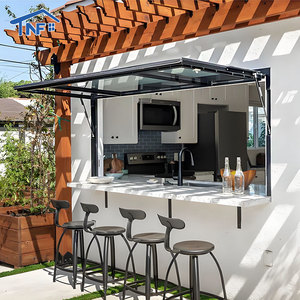
Modern Thermal Break Aluminium Gas Strut Pass Through Windows Vertical Aluminum Push Out Flip Awning Windows For Kitchen Use
Opening Angle: 90° Overhead Flip
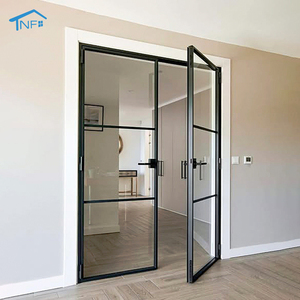
French Design Commercial Swing Soundproof Waterproof Aluminum Double Tempered Glass Casement French Door For Villas Kitchen
Profile: Multi-Chamber Thermal Break
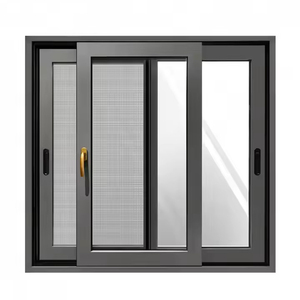
Modern Double Glazed Aluminum Profile Windows Stainless Steel Screen Netting Glass Sliding Window For Villas And Houses
Mesh: 304 High-Tensile Stainless Steel
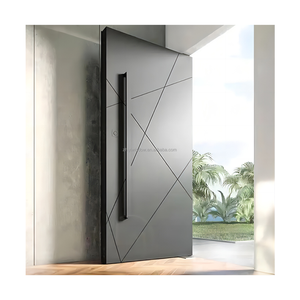
Modern Stainless Steel Entrance Security Pivot Door Finished Aluminum Front Gate Design For Home Villa Waterproof Feature
Rating: IP65 Weatherproof Sealed
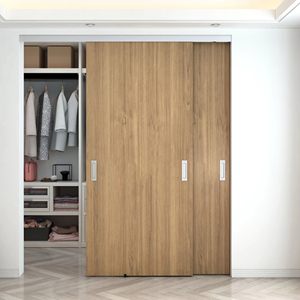
72 Inch Aluminum Track Interior Bypassing Sliding Wooden Door System For Closet
Mechanism: Soft-Closing Whisper Rollers
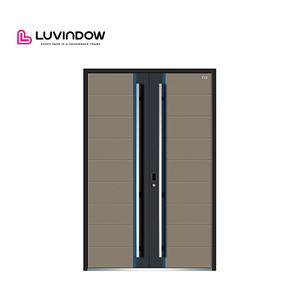
China Top Manufacturer Security Doors Custom Fireproof Aluminum Entrance Doors for Commercial Buildings
Compliance: Commercial Code Certified
Foshan Industrial Cluster & Direct Manufacturing Excellence
Situated in Shishan Town, Nanhai District, Foshan—the world’s premiere architectural aluminum hub—VELTOR operates an end-to-end extrusion, thermal-break assembly, and quality assurance infrastructure.
In-House Production Precision
By executing billet extrusion, double-head CNC miter cutting, PA66-GF25 polyamide crimping, and automated IGU double-glazing under one roof, we eliminate intermediate supply chain friction and preserve rigid dimensional tolerances within ±0.5mm.
100% Pre-Shipment Quality Testing
Every completed unit undergoes rigorous structural chamber testing prior to crate loading. We verify air permeability (EN 1026), water tightness under dynamic pressure (EN 1027), wind load resistance (EN 12211), and torque operation of multi-point hardware systems.
Export-Ready Logistics Infrastructure
To safeguard large-format glass panels and finished anodized frames during ocean transit, products are wrapped in protective PE anti-scratch film, corner-guarded with EPE foam, and sealed into reinforced fumigated wooden crates sorted by elevation mark.
CE Certification (EN 14351-1) & Structural Engineering Standards
Understanding the empirical engineering criteria required for compliance with European Union Construction Products Regulation (CPR 305/2011) and international commercial building codes.
| Performance Criterion | Testing Standard | Class / Rating Achieved | Engineering Specification & Material Baseline |
|---|---|---|---|
| Thermal Transmittance (Uw) | EN ISO 10077-2 | 0.8 – 1.3 W/(m²·K) | PA66-GF25 (25% Glass Fiber Reinforced) thermal barrier with Low-E argon-filled double/triple insulated glazing units. |
| Wind Load Resistance | EN 12210 | Class C5 (2000 Pa design / 3000 Pa safety) | 6063-T6 architectural alloy profiles with wall thickness up to 3.0mm in critical load-bearing mullions. |
| Water Tightness | EN 12208 | Class E1050 (Unsheltered Dynamic) | Multi-chamber stepped drainage channels with continuous EPDM triple-gasket compression seals. |
| Air Permeability | EN 1026 / EN 12207 | Class 4 (600 Pa test pressure) | Corner-crimped profiles injected with two-component polyurethane structural adhesive for zero joint leakage. |
| Acoustic Isolation (Rw) | EN ISO 717-1 | Rw up to 45 (-2;-6) dB | Asymmetric laminated safety glass (e.g., 6mm + 1.52PVB + 6mm) paired with 16mm warm-edge gas-filled cavity. |
| Corrosion Resistance | EN 1670 / ISO 9227 | Grade 5 (Neutral Salt Spray > 480h) | Qualicoat Class 2 PVDF fluorocarbon coating (≥25μm) or Grade 15 anodized layer for harsh marine environments. |
Information Gain: Key Engineering Differences in Aluminum Alloys
B2B buyers frequently encounter price variance caused by unstated alloy downgrades. Premium export-grade windows strictly specify 6063-T6 alloy over cheaper 6063-T5. T6 artificial aging yields a minimum tensile strength of 205 MPa (compared to 175 MPa in T5) and a yield strength of 180 MPa, ensuring structural stability under high wind pressures on modern curtain wall facades and large lift-and-slide doors.
Navigating Technological Shift in Global Fenestration Sourcing
As global building codes mandate near-zero energy consumption and carbon transparency, architectural window procurement is pivoting toward structural innovation and sustainable metallurgy.
1. Low-Carbon Recycled Aluminum Billet Sourcing
Environmental Product Declarations (EPDs) are becoming mandatory across the EU and North America. The next decade of window procurement prioritizes profiles extruded using hydroelectric-powered clean energy or secondary recycled aluminum content (>75%), reducing the embodied carbon footprint from 18 kg CO₂/kg aluminum down to under 4.0 kg CO₂/kg without sacrificing structural strength.
2. Vacuum Insulated Glass (VIG) & Slim Sightline Integration
Traditional triple glazing adds substantial dead load to window hardware. Modern architecture is rapidly adopting Vacuum Insulated Glass (VIG)—where a 0.3mm vacuum gap achieves a center-of-glass U-value of 0.6 W/(m²·K) within a slim 8.3mm profile thickness. This allows architects to specify minimalist 16mm sightline frames for ultra-large openings.
3. Motorized Automation & Smart Building (BMS) Interoperability
Specifiers for modern luxury villas and high-rise commercial structures require automated motorized opening systems integrated directly into KNX, Crestron, or IoT smart building networks. Concealed chain actuators, biometric entry pivot hinges, and automatic weather sensors are shifting from optional luxuries to standard architectural bid requirements.
4. Climate-Resilient Severe Weather Engineering
Due to shifting global weather events, buyers in coastal and hurricane-prone zones require higher structural safety margins. Sourcing mandates are moving toward ASTM E1886 / E1996 hurricane impact test standards (large missile impact resistant laminated glass) and C5-M marine-grade powder coatings resistant to 2,000+ hours of continuous salt spray exposure.
B2B Architectural Opening Decision Matrix
Compare mechanical attributes, structural capabilities, and ideal application scenarios across core aluminum window and door categories.
| Opening Type | Air/Water Tightness | Structural Load Capability | Max Panel Height/Width | Optimal Project Application |
|---|---|---|---|---|
| Thermal Break Casement | Exceptional (Class 4/E1050) | High (Up to 3000 Pa) | H: 2400mm / W: 1000mm | High-rise residential, cold climate villas, passive house projects. |
| Heavy-Duty Lift & Slide | Very High (Class 3/E750) | Very High (Up to 3500 Pa) | H: 3500mm / W: 3000mm | Luxury coastal villas, hotel patio entries, wide panoramic openings. |
| Ultra-Slim Interior Sliding | Moderate (Partition Grade) | Medium (1200 Pa) | H: 3000mm / W: 1500mm | Interior glass partitions, master bathroom enclosures, office dividers. |
| Architectural Pivot Entrance | High (Double Compression Seal) | Extreme (Bearing up to 500kg) | H: 4500mm / W: 2000mm | Commercial headquarters, luxury villa main entrance gates. |
| Gas Strut Pass-Through Awning | High (Continuous EPDM Seal) | High (1800 Pa) | H: 1800mm / W: 2500mm | Restaurant outdoor dining counters, kitchen bar pass-through openings. |
Frequently Asked Technical Questions
Empirical solutions to common structural, compliance, and logistical challenges encountered by international developers, architects, and importers.
Q: What precise structural documentation accompanies VELTOR CE-certified aluminum windows for local building site inspections?
Every export order is backed by a formal Declaration of Performance (DoP) under European Union Regulation (EU) No 305/2011 (CPR). We supply lab test reports issued by accredited third-party notified bodies confirming air permeability (EN 1026), water tightness (EN 1027), wind load resistance (EN 12211), and thermal transmittance calculations (EN ISO 10077-2). Additionally, full CAD/BIM shop drawings stamped by our structural engineers are provided for municipal building permit approval prior to extrusion.
Q: How does polyamide PA66-GF25 thermal break technology compare to poured-and-debridge polyurethane systems?
Polyamide 66 reinforced with 25% glass fiber (PA66-GF25) offers superior structural rigidity, matching the coefficient of thermal expansion of aluminum alloy ($2.3 \times 10^{-5} /\text{K}$). This prevents structural shear failure or frame warping under extreme indoor-outdoor temperature differentials (ranging from -30°C in winter to +40°C in direct summer sun). Poured polyurethane is adequate for light residential windows, but high-rise and large-panel architectural applications demand PA66-GF25 strips to maintain long-term frame integrity.
Q: What lead times should general contractors factor into project schedules when sourcing custom windows from China?
Standard production cycles are 25 to 35 calendar days following final shop drawing confirmation and deposit receipt. For complex projects requiring custom powder-coating colors (RAL shades outside standard stock) or specialized high-performance glass (such as triple-pane Low-E coated with acoustic PVB interlayers), manufacturing requires 35 to 42 days. Ocean freight transit typically adds 18–25 days for Europe/North America and 7–12 days for Southeast Asia/Australia.
Q: Which surface treatment is recommended for high-salinity coastal architectural developments?
For projects located within 3 kilometers of a coastline, we mandate PVDF (Fluorocarbon) coating complying with Qualicoat Class 2 or AAMA 2605 specifications, or a 15–25 micron anodic oxidation layer. PVDF coatings utilize a 70% resin system (polyvinylidene fluoride) that exhibits exceptional resistance to salt spray corrosion, UV degradation, chalking, and chemical exposure, guaranteed for 20+ years under aggressive marine atmospheric conditions.
Q: Can VELTOR customize thermal profiles and glazing units to meet North American NAFS/AAMA or Australian AS2047 codes alongside CE standards?
Yes. While CE certification serves as our baseline, our engineering team regularly custom-builds window systems to satisfy North American Fenestration Standard (NAFS/AAMA/WDMA/CSA 101/I.S.2/A440) structural requirements or Australian Standard AS2047 (Windows in buildings). We configure glass thickness, multi-point lock hardware, and sub-frame flashing channels to seamlessly pass local site inspections in USA, Canada, Australia, and New Zealand.
Q: What packaging protocols are implemented to guarantee zero glass breakage during transoceanic shipping?
Products undergo a four-tier packaging protocol: First, all aluminum surfaces are covered with 0.07mm PE protective anti-scratch film; second, frame corners are encaptured in thick EPE foam guards; third, individual window units are wrapped in waterproof thermal shrink wrap; fourth, products are loaded into fully closed, IPPC-stamped fumigated plywood crates with internal rubber shock-absorbing bumpers. Crates are clearly labeled with opening tags corresponding to your project installation schedule.
Ready to Engineer Your Architectural Opening Schedule?
Connect directly with our technical fenestration specialists in Foshan. Submit your project elevation drawings or window schedules to receive structural feasibility analysis, U-value calculations, and competitive factory-direct quotations.