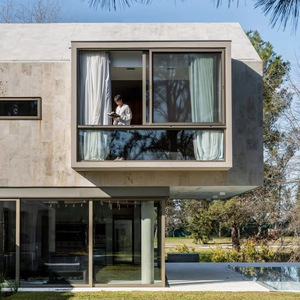
1. Executive Industry Overview: The Paradigm Shift in Architectural Glazing
The contemporary global construction market demands a rigorous convergence of structural durability, ultra-low operational energy consumption, and high-level aesthetic integration. As regulatory bodies across North America, the European Union, Australia, and the Middle East enforce stricter building envelope mandates—such as the EU Energy Performance of Buildings Directive (EPBD) and stringent local building codes—commercial developers, project architects, and direct importers are re-evaluating their fenestration sourcing strategies.
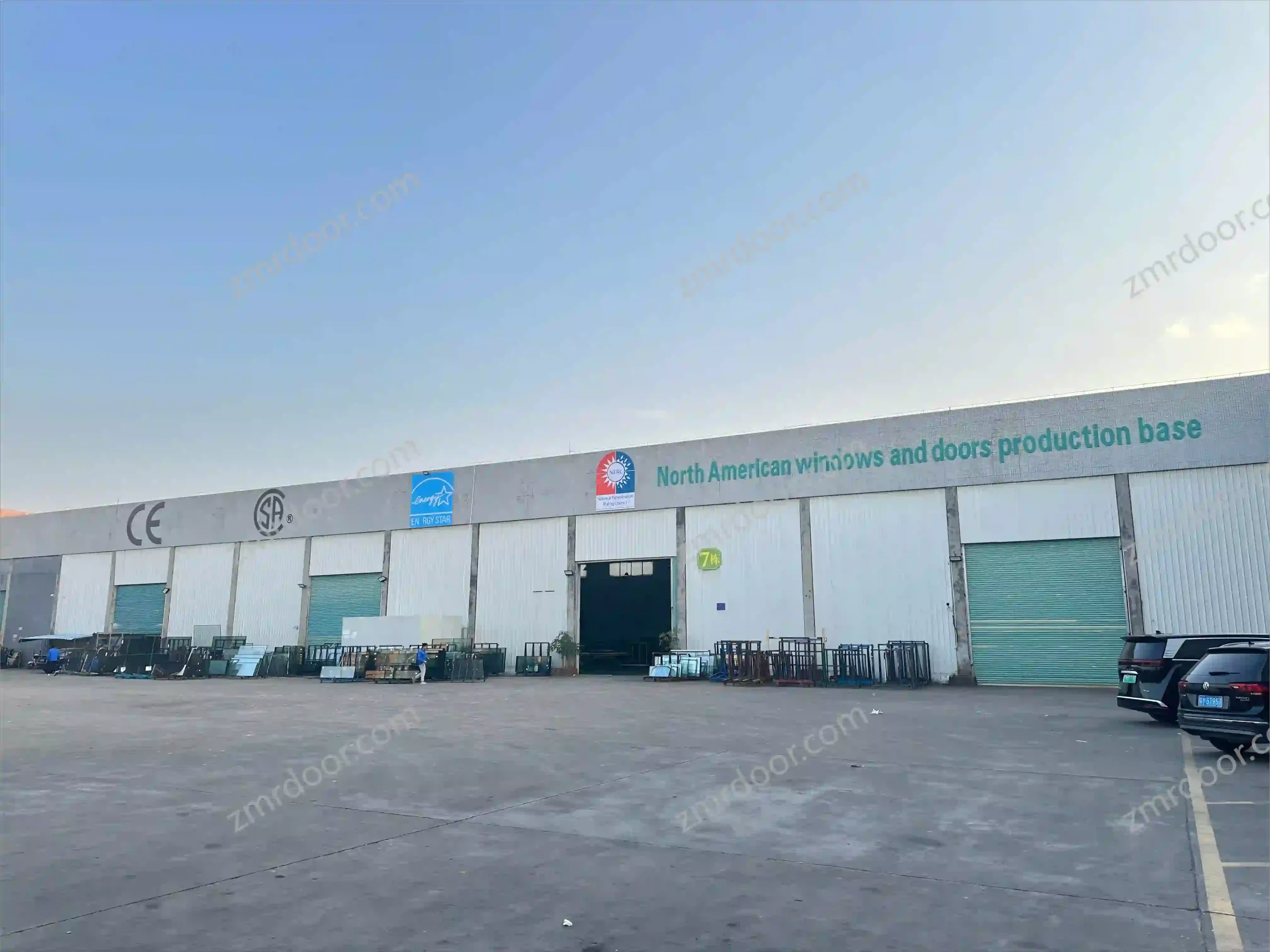
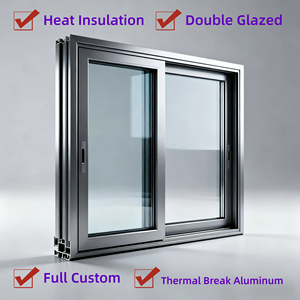
Central to this revolution is the high-precision CE certified aluminium sliding door and window factory ecosystem centered in Foshan, China. Long recognized as the capital of architectural aluminum extrusions, leading manufacturing hubs like VELTOR Window & Door Co., Ltd. (operating out of Nanhai District, Foshan) have transitioned from standardized mass manufacturing to bespoke, high-value structural engineering. By utilizing advanced 6063-T5/T6 grade aluminum profiles, continuous polyamide thermal break bridges (PA66-GF25), and structural glazing systems engineered for extreme wind loads, direct-factory sourcing provides global project buyers with a distinct economic and technical advantage.
2. Enterprise Manufacturing Excellence & Technical Quality Control
Evaluating an international fenestration manufacturer requires verifying physical engineering infrastructure, metallurgical testing protocols, and certified quality management systems (ISO 9001). Direct supplier verification ensures that architectural specifications on paper match physical job-site performance upon delivery.
High-Precision CNC Machining
Utilizing automated double-head cutting saws and 5-axis CNC machining centers to ensure precise profile mitering within ±0.5mm tolerances. Crucial for airtight corner crimping and structural hardware alignment.
PA66-GF25 Thermal Barriers
Instead of cheap PVC insulation strips, profile cavities are joined using imported Polyamide 66 reinforced with 25% glass fiber. This guarantees matching expansion coefficients with aluminum, preventing thermal shear under temperature swings.
Export-Grade Surface Finishes
Offering Qualicoat-certified fluorocarbon (PVDF) spraying, electrostatic powder coating (AkzoNobel coatings), and architectural anodizing designed to withstand coastal salt-spray corrosion (ASTM B117 standards) for 25+ years.
Comprehensive Product Engineering Matrix
To assist procurement managers, project estimators, and architects in selecting the optimal system series for specific project types, the following data matrix synthesizes core technical parameters across major product categories:
| System Classification | Primary Application Profile | Structural Wall Thickness | Glazing Specifications | Standard Compliance & Performance |
|---|---|---|---|---|
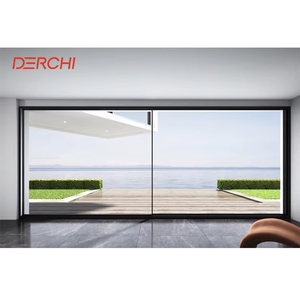
| Ultra-Narrow Sliding Doors | Luxury Villas, High-End Balconies | 2.0mm – 3.0mm profiles | 8mm + 12Argon + 8mm Tempered Glass | CE / EN 12207 Class 4 (Air Permeability) |
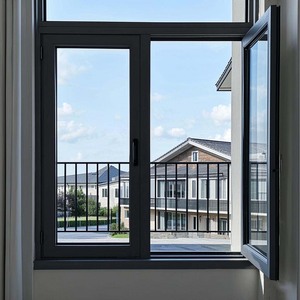
| Thermal Break Casement Windows | High-Rise Residential, Cold Climates | 1.4mm – 2.0mm profiles | 6mm Low-E + 16Ar + 6mm Triple Silver | EN 12210 Class C5 (Wind Load > 5000 Pa) |
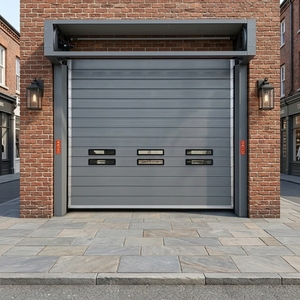
| Heavy-Duty Multi-Track Doors | Resorts, Retail Entrances, Commercial | 2.2mm – 3.5mm profiles | 10mm + 1.52PVB + 10mm Laminated Glass | EN 12208 Class 9A (Water Tightness) |
| Hurricane Impact Windows | Coastal Zones, Villa Developments | 1.8mm – 2.5mm reinforced | 6mm + 2.28SGP + 6mm Impact Glass | ASTM E1886 / E1996 & High-Velocity Zones |
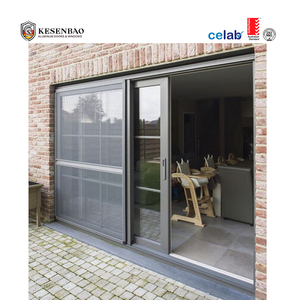
| Integrated Blind Sliding Systems | Commercial Offices, Master Bedrooms | 1.6mm – 2.0mm profiles | 5mm + 27A (Magnetic Blind) + 5mm IGU | CE Certified Sound Insulation (Rw ≥ 42 dB) |
3. Future Development & Product Trends in Aluminium Glazing
The global architectural sector is undergoing rapid evolution driven by smart city initiatives, decarbonization targets, and minimal aesthetic preferences. Suppliers and developers must align their sourcing with upcoming fenestration trends over the next decade.
A. Minimalist Sightlines and Structural Glass Architecture
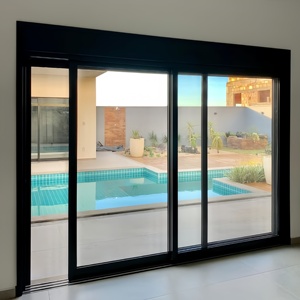
Contemporary architectural design heavily favors expansive glass surfaces that blur the boundary between indoor living space and the natural exterior environment. Systems like the DERCHI Q9 Series Ultra-narrow Aluminium Sliding Door represent this trend, reducing visible frame widths to as little as 18mm to 25mm while using heavy-duty stainless steel concealed rollers capable of supporting individual panel weights exceeding 400 kilograms. Future developments involve fully embedded frame tracks integrated flush with finished floors, eliminating tripping hazards and optimizing drainage through hidden subsurface linear channels.
B. GFRP and Hybrid Composite Thermal Insulation
As standard aluminum thermal breaks approach mechanical limits for extreme sub-zero conditions, hybrid profiles featuring Glass Fiber Reinforced Polymer (GFRP) structural cores are establishing a new baseline. GFRP provides superior structural rigidity combined with thermal conductivity values far lower than standard aluminum extrusions, eliminating interior condensation even when temperature differentials between interior and exterior exceed 40°C.
C. Smart Integration, Automation, and Integrated Motorization
Automated sliding doors and motorized tilt-and-turn windows are shifting from commercial luxury additions to standard residential specifications. Modern sliding doors now feature hidden brushless motor drives integrated into the top frame track, controllable via smart home IoT protocols, rain sensors, and smartphone applications. Additionally, integrated magnetic louvers placed directly inside double-glazed hermetically sealed cavities protect blinds from dirt and mechanical damage while providing instant privacy.
4. Future Procurement & Supply Chain Trends for Global B2B Buyers
Procuring windows and doors from overseas factories involves complex logistics, engineering validation, and risk management. As international logistics evolve, key changes are taking place in how project managers and direct importers handle bulk fenestration orders.
A. Transition from Standardized Distributor Sourcing to Factory-Direct Customization
Buying pre-sized off-the-shelf windows through local intermediaries often results in high markups and limited architectural customization. Modern procurement strategies utilize direct factory engineering teams who convert raw architectural CAD/BIM drawings directly into factory-ready shop drawings. This direct pipeline allows custom sizing down to the millimeter, specific RAL color matching, tailored hardware selection (such as German Hoppe, Siegenia, or G-U hardware), and direct compliance mapping for regional building inspections.
B. BIM Integration and Digital Twin Manufacturing Workflow
To reduce job-site dimensional conflicts, leading export factories utilize Building Information Modeling (BIM) workflows. Prior to extrusion cutting, factory engineers generate 3D REVIT models of all window assemblies, allowing contractors to verify structural rough openings, anchoring clip placements, and flashing details in a virtual environment before physical manufacturing commences.
C. Containerized Modular Packaging and Installation Protection
Damage during oceanic transport remains a major risk for architectural glass importers. Modern export packaging standards have shifted away from loose bundling toward heavy-duty, fully enclosed fumigated plywood crates equipped with interior EPDM foam padding, corner protectors, and vacuum packaging for delicate hardware. Every unit is labeled with a clear itemized tag corresponding to building floor plans and opening schedules, allowing job-site installation crews to move crates directly to their designated installation zones without sorting delays.
Transform Your Project Sourcing with Direct Factory Engineering
Consult with our structural engineering team today to review your architectural drawings, receive custom thermal calculations, and obtain transparent factory-direct pricing.
5. Frequently Asked Questions (FAQ) for B2B Importers & Project Buyers
Below are detailed answers to key technical and logistical questions faced by commercial importers, building contractors, and project developers when sourcing aluminum sliding doors and windows from China.
CE Certification (specifically under standard EN 14351-1 for windows and external pedestrian doorsets) verifies that the manufactured units comply with essential European health, safety, and environmental protection requirements. Testing evaluates air permeability (EN 12207), water tightness (EN 12208), resistance to wind load (EN 12210), thermal transmittance (EN ISO 10077), and load-bearing capacity of safety devices. This certification ensures smooth customs clearance and regulatory approval throughout all European Union countries and participating trading zones.
Thermal break integrity is maintained by using high-grade Polyamide 66 reinforced with 25% glass fiber (PA66-GF25) strips mechanical crimped between outer and inner aluminum profile chambers. PA66-GF25 possesses a coefficient of thermal expansion almost identical to aluminum (2.4 x 10^-5/K), preventing structural shear stress, seal failures, or profile warping when exposed to extreme external freezing conditions or high desert heat.
We strictly utilize primary 6063 aluminum alloy billets processed to T5 or T6 heat treatment tempers. 6063-T6 provides exceptional tensile strength (minimum 205 MPa) and yield strength (minimum 170 MPa), ensuring profile integrity under high wind loads while delivering superior surface smoothness required for high-grade anodizing and PVDF fluorocarbon coatings.
Yes. For projects located in hurricane-prone regions (such as Florida, the Caribbean, or coastal East Asia), we engineer specific impact-resistant series. These systems feature heavy-gauge profile wall thicknesses (up to 3.0mm), internal steel reinforcement tubes, multi-point locking gear, and laminated glass configurations using SentryGlas (SGP) or high-tensile PVB interlayers capable of passing missile impact and cyclic wind pressure tests (ASTM E1886/E1996 standards).
Because all units are manufactured according to custom architectural shop drawings, we accommodate direct project orders ranging from single high-end luxury villa packages to multi-container commercial apartment developments. From a logistics standpoint, consolidating orders into full 20ft or 40ft HQ containers significantly reduces unit shipping costs, though LCL (Less than Container Load) shipping in reinforced wooden crates is available for targeted sample or custom orders.
Finished windows and doors are protected with protective scratch-resistant film and heavy-duty EPDM rubber corner caps. Assembled units or loose glass panels are loaded into sealed, fumigated plywood wooden crates lined with high-density foam padding and moisture-absorbing desiccant packs. Crates are engineered with base clearance slots for forklifts and strapped inside shipping containers using steel cables and pneumatic dunnage bags to prevent lateral movement on ocean vessels.
We offer full hardware versatility. Buyers can select high-performance native brand hardware tested for 50,000+ opening cycles or specify premium European architectural hardware from manufacturers such as Siegenia, Hoppe, Sobinco, CMECH, and GU (Gretsch-Unitas). Multi-point locking mechanisms, concealed hinges, child-safety restrictors, and biometric keyless entry handles are available upon request.
Upon receipt of your tender drawings or window schedules, our dedicated project engineering desk converts architectural plans into detailed AutoCAD and REVIT manufacturing shop drawings. These drawings specify exact structural opening sizes, frame profiles, glass build-ups, drainage paths, opening directions, and installation accessory clips. Production only begins after the client gives written approval on final signed shop drawings.
Standard manufacturing lead times range between 25 to 35 business days following final shop drawing sign-off and deposit receipt. For orders requiring specialized glass configurations (such as triple-pane Low-E glass, custom ceramic frit patterns, or specialized SGP impact laminates) or custom anodizing finishes, lead times may extend to 40 days. Clear progress timelines are provided with real-time video updates throughout production.
We provide comprehensive warranty coverage across all components: 10 years on aluminum structural extrusions, 10 years on insulated glass units against seal failure or interior fogging, and 5 years on mechanical moving hardware. In the event of transit damage or missing components, replacement parts are prioritized and air-freighted to job sites promptly to minimize construction delays.
6. Strategic Partnership: Sourcing Directly from Foshan's Premier Manufacturing Base
Partnering directly with a dedicated fenestration factory like VELTOR Window & Door Co., Ltd. removes traditional supply chain friction, unverified middleman markups, and communication gaps. Located in Building 6, Yiqiying Industrial Park, Shishan Town, Nanhai District, Foshan, Guangdong, our factory operates at the center of global architectural extrusion technology.
Whether you are an international distributor seeking reliable OEM manufacturing, a real estate developer executing multi-family residential towers, or an architectural firm aiming to push the boundaries of modern residential glass design, our engineering team provides end-to-end support—from initial thermal simulation calculations to final export shipping logistics.
Request Your Custom Engineering Quote & Specification Pack
Get in touch with our international project consultants right now. Receive factory-direct pricing, shop drawing evaluations, and structural testing reports tailored to your target installation region.