Factory-Direct Fenestration & Security Jali Systems
Explore our certified aluminum window, door, and architectural mesh solutions engineered for international commercial & residential projects.
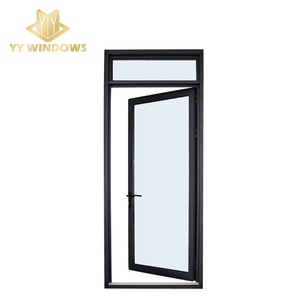
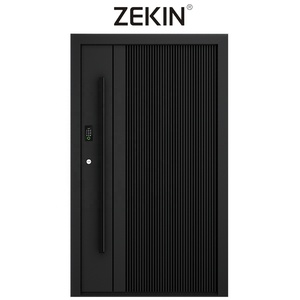
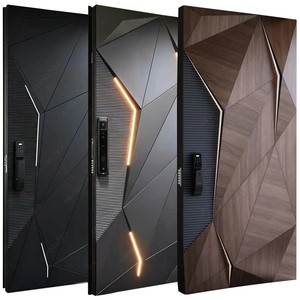
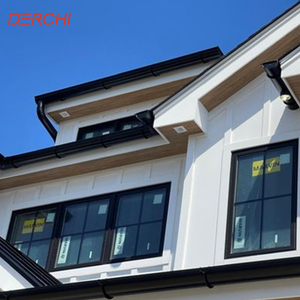
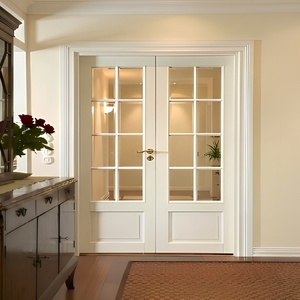
CE Certified Aluminium Jali Manufacturing: Engineering, Material Science & Market Standards
An in-depth analysis for original equipment manufacturers (OEM), fabricators, architectural specifiers, and global fenestration buyers.
In contemporary architectural engineering, the integration of Aluminium Jali (architectural perforated/expanded security screens and decorative grills) within window and door assemblies has evolved from purely aesthetic cladding into a structural, functional component. Modern window factories and fabricators serving international commercial and high-end residential projects require Jali systems that meet strict building performance standards—specifically European Norms (EN) verified under the CE Marking framework (EN 14351-1).
This whitepaper examines the structural metallurgy, manufacturing precision, coating technologies, and compliance protocols necessary for window manufacturers to source and integrate factory-direct CE Certified Aluminium Jali systems seamlessly into casement, sliding, tilt-and-turn, and curtain wall configurations.
1. Metallurgical Profiles: Why 6063-T5/T6 Aluminum Alloy is standard
Architectural Jali mesh and framing panels must withstand substantial wind loading, shear stresses, and thermal expansion without buckling or degrading. Leading Foshan manufacturers utilize primary-grade 6063-T5 or 6063-T6 architectural aluminum alloy extrusions rather than scrap-blended recycled aluminum. The T6 heat treatment process enhances yield strength up to 214 MPa and tensile strength to 241 MPa, providing optimal mechanical resistance against forced entry and dynamic atmospheric pressure.
2. CE Certification & Performance Standards breakdown
For window manufacturers exporting to the European Economic Area (EEA) or regions adhering to EU code frameworks, window units equipped with security Jali screens must conform to EN 14351-1:2006+A2:2016 (Windows and doors - Product standard, performance characteristics). Key test metrics include:
- Resistance to Wind Load (EN 12210): Tested under positive and negative pressures up to Class C5/B5 (P1 test pressure up to 2000 Pa), ensuring the Jali insert remains structural during severe hurricane-force wind gusts.
- Air Permeability (EN 12207): Ensuring integrated outer frame channels maintain airtight seals (Class 4 rating) around the Jali screen boundary.
- Burglar Resistance (EN 1627 / RC2 & RC3): High-density Aluminium Jali mesh combined with multi-point locking mechanisms deters manual break-ins utilizing crowbars, pliers, and heavy impact tools.
- Corrosion Resistance (EN 1670): Grade 4 or Grade 5 salt spray resistance (neutral salt spray testing exceeding 1,000 continuous hours per ASTM B117 standards).
Engineering Specifications & Material Comparative Matrix
Evaluate alloy grades, manufacturing tolerances, and surface treatments to match project requirements.
| Specification Parameter | Architectural Grade (Standard) | Industrial High-Security (Heavy Duty) | Custom OEM/ODM Capability |
|---|---|---|---|
| Aluminum Alloy Grade | 6063-T5 Architectural Extrusion | 6063-T6 / 6061-T6 High-Tensile Alloy | 3003-H14 Sheet / Custom Alloy Selection |
| Jali Screen Type | Expanded Diamond Mesh / Laser Perforated | Woven 0.8mm-1.0mm Stainless/Alloy Security Jali | Custom Geometric CNC Laser Cut Patterns |
| Frame Profile Depth | 50mm - 70mm System Depth | 80mm - 120mm Thermal-Break System Depth | Tailored to Match Buyer's Frame Drawings |
| Surface Finishing | Electrostatic Powder Coating (AkzoNobel) | Fluorocarbon PVDF (Kynar 500 Coating) | Anodized (15-25µm) / Wood Grain Transfer |
| Impact Resistance | EN 13049 Class 3 (Soft Body Impact) | ASTM E1886 / E1996 Large Missile Impact | Custom Impact Test Protocol Matching |
| Screen Retention Method | Internal Gasket Pressure Fit | Structural Metal Clamping Strip + Rivets | Hidden Corner Jointing / Screwed Bead System |
| Thermal Performance (U-Value) | Uw 2.2 - 2.8 W/m²K | Uw 1.4 - 1.8 W/m²K (Thermal Break Polyamide) | Triple Glazed Insulated Jali System (Uw < 1.1) |
Future Sourcing Trends for Window Manufacturers (2025–2030)
Anticipating market evolution, smart building integration, and environmental regulations in global fenestration.
1. Dual-Sash Integrated Thermal Barrier
Traditional windows treated insect screens and Jali security grills as add-on exterior accessories. Sourcing trends show a shift toward factory-integrated dual-sash frames where the Jali screen shares a single thermal-break extrusion with high-performance Low-E double glazing, improving both U-values and aesthetics.
2. Digital CAD/BIM Direct Integration
Global window factories are moving from standard catalog sizing to digital CAD/BIM direct manufacturing workflows. OEM window buyers can now upload Building Information Modeling (BIM) files directly to factory CNC routers, reducing drawing review cycles by 60% and guaranteeing millimeter-exact fitting on job sites.
3. Decarbonized Low-Carbon Aluminium
With Europe's Carbon Border Adjustment Mechanism (CBAM) coming into force, window factories are prioritizing Jali mesh extrusions produced using hydro-electric powered smelting and certified recycled billet (ASI Certification). Sourcing low-embedded-carbon aluminium ensures compliance with modern green building standards (LEED / BREEAM).
Foshan Veltor Factory Workflow & Rigorous Quality Assurance
From raw aluminum extrusion to export-ready wooden crating—how our factory ensures zero-defect shipments.
Advanced Production Infrastructure
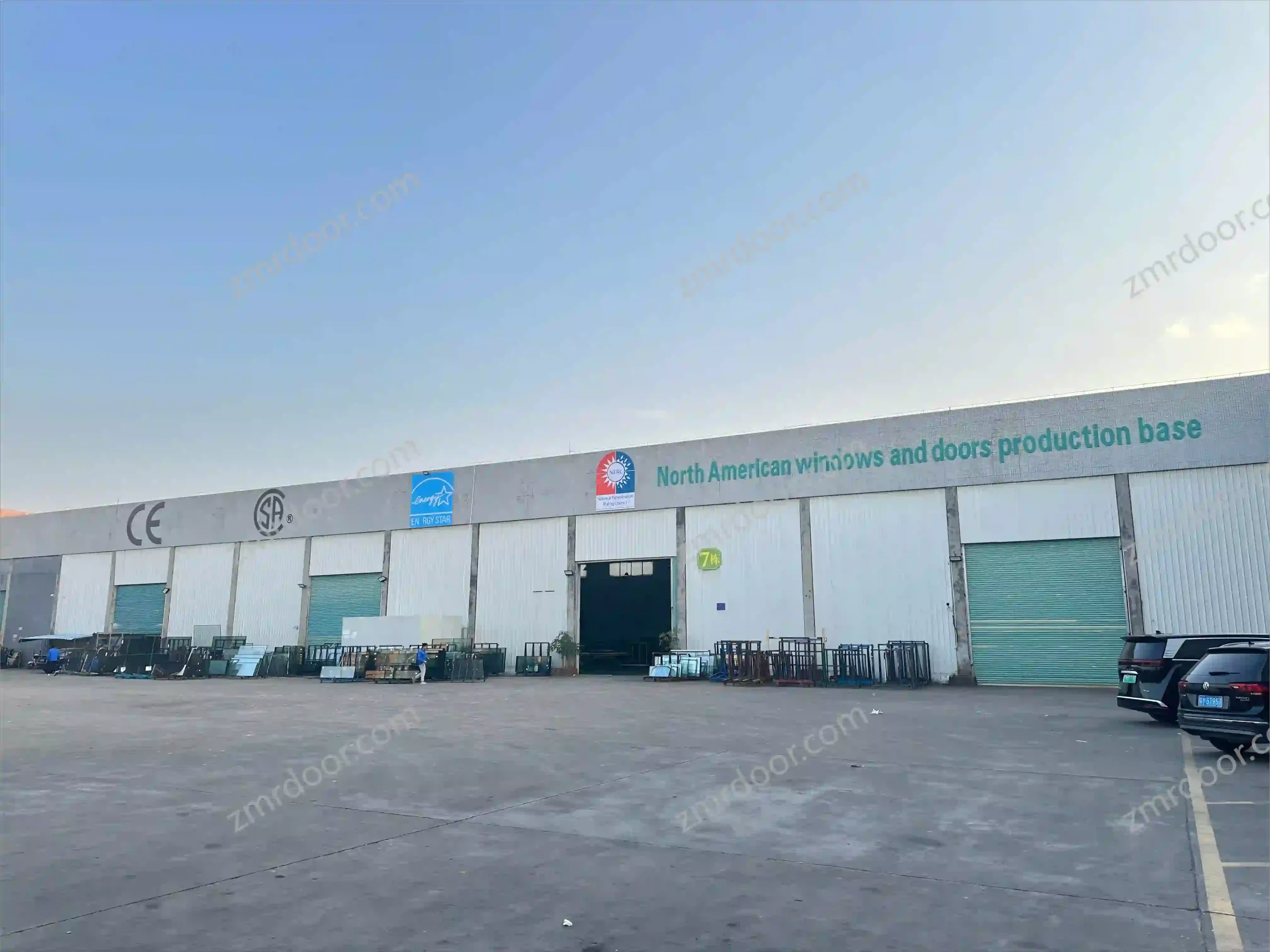
Located in Nanhai District, Foshan—the world's central hub for architectural aluminum extrusions—Veltor operates automated high-precision laser cutting centers, CNC milling machines, double-head mitre saws, and automated powder coating lines under one roof.
- High-speed fiber laser cutting for intricate custom Jali patterns
- Automatic corner crimping ensuring zero frame distortion
- Robotic sealant application for airtight frame-to-mesh bonding
- Strict adherence to ISO 9001 quality management procedures
4-Stage Pre-Shipment Inspection Protocol
Every window order undergoes 100% pre-assembly inspection before leaving the factory floor to ensure rapid on-site installation by contractors and window dealers.
- Dimensional Verification: Millimeter-exact diagonal and profile width calibration against confirmed shop drawings.
- Coating Thickness Gauge: Dry film thickness test (60-80µm minimum for powder coating; >25µm for PVDF).
- Hardware Cycle Test: 20,000+ opening/closing cycles on sashes, hinges, handles, and locking mechanisms.
- Export Reinforced Packaging: Corner guards, protective shrink film, and steel-strapped solid wooden crates labeled by building opening ID.
Frequently Asked Questions by Window Manufacturers & Importers
Clear engineering and commercial answers to streamline your B2B purchasing decisions.
What is the Minimum Order Quantity (MOQ) for custom CE Certified Aluminium Jali units?
Because all units are custom-engineered to exact architectural shop drawings, VELTOR supports project-based minimum orders as well as full container loads (FCL) for distributors. For sample testing or single-villa projects, we accommodate small batch orders consolidated into ocean freight shipments to ensure freight efficiency.
How does your factory ensure the Aluminium Jali screen complies with European CE EN 14351-1?
We supply complete initial type testing (ITT) documentation, factory production control (FPC) certificates, and raw material mill test reports (MTR). Our profile systems undergo rigorous third-party lab testing for wind load (EN 12210), water tightness (EN 12208), and burglar resistance (EN 1627 RC2/RC3) before bulk delivery.
Can we order un-assembled (CKD/SKD) Jali profiles and mesh for local assembly in our country?
Yes. We offer Completely Knocked Down (CKD) and Semi Knocked Down (SKD) shipment options for international window factories looking to optimize import tariffs and logistics costs. We provide precut aluminum profiles, punched Jali mesh panels, corner keys, gaskets, and hardware along with complete assembly instruction manuals and video support.
What surface treatments are recommended for coastal high-salinity installations?
For coastal environments, coastal resorts, or high-humidity regions, we recommend standard PVDF (Fluorocarbon Kynar 500) 3-coat spraying or Qualicoat Class 2 certified powder coating. These treatments pass 1,000+ continuous hours of Neutral Salt Spray (NSS) testing without blistering, chalking, or color fading.
Can your engineering team convert our architect’s CAD drawings into production shop drawings?
Absolutely. Our dedicated in-house technical team reviews architectural elevation plans, structural CAD files, and BIM models. We generate detailed 2D/3D shop drawings—including cross-sectional profiles, glass schedules, and installation anchor details—for buyer sign-off prior to production.
What is the typical production lead time for factory-direct window orders?
Standard manufacturing lead time is 25 to 35 days following formal shop drawing approval and deposit confirmation. For large-scale multi-family or commercial tower projects, phased container delivery schedules can be established to align with on-site construction timelines.
Why Partner with Veltor Window & Door Co., Ltd.?
Combining Foshan manufacturing dominance with international engineering support.
Foshan Supply Chain Power
Direct integration with top-tier raw extrusion mills, glass float lines, and hardware manufacturers guarantees competitive factory-direct pricing without middleman markups.
Full OEM / ODM Customization
Custom die creation, private-label branding, customized packaging, and custom Jali mesh geometry tailored precisely to your brand's market positioning.
Dedicated Project Support
Multilingual engineering team providing real-time technical guidance, drawing support, virtual video factory audits, and ongoing after-sales assistance.