CE Certified Architectural Door & Window Product Lineup
High-precision 6063-T6 aluminum profiles, structural double/triple glazing, and multi-point locking systems engineered for demanding commercial and luxury residential projects.
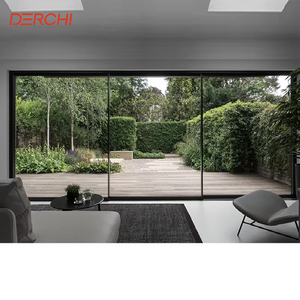 AS2047 / CE
AS2047 Australian Double Glazed Stacker Doors Commercial Exterior Patio Sliding Doors
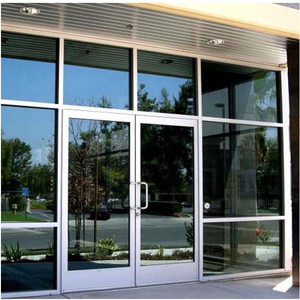 Hurricane Impact
Best Price Soundproof Aluminium Casement Entrance Hurricane Impact Doors and Windows
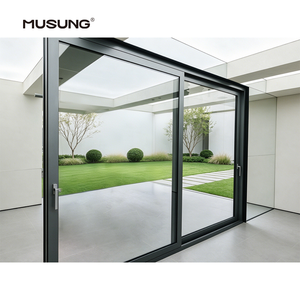 Thermal Break
Thermal Break Aluminium Profiles Glass Sliding Door Outdoor Heavy Duty Patio Sliding Doors
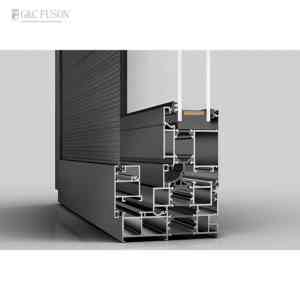 NFRC / CE Certified
Fuson American NFRC Certification Hurricane Proof Impact Aluminium Double Glaze Casement Window
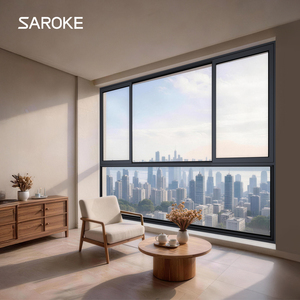 Acoustic Guard
Custom Windows Double Glazed Soundproof Glass Hurricane Impact Resistant Aluminium Sliding Window
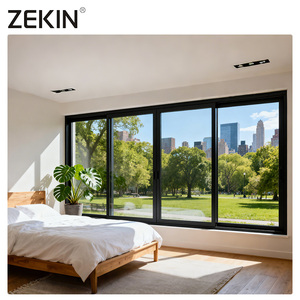 EN 12208 Water Tight
ZEKIN Hurricane Impact Double Glazed Profile Windows Glass Aluminium Waterproof Black Sliding Window
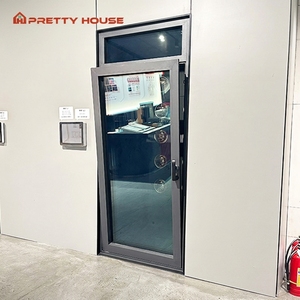 European Standard
Heavy Duty Energy Efficient Insulated Double Glazed Factory Aluminium Frame Tilt and Turn Window
 Low-E High Isolation
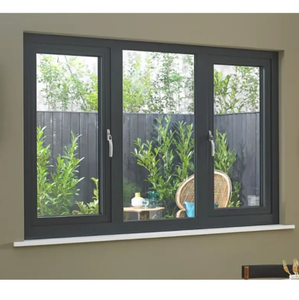
Custom Aluminum Energy Efficient Low-E Glass Casement Double Glazed Tilt and Turn House Windows
Executive Whitepaper: Technical Engineering & Global Sourcing Standards for CE Certified Aluminium Fenestration
In contemporary architectural engineering, envelope performance dictates both building operational sustainability and long-term asset valuation. As global building energy codes tighten—driven by the European Union's Energy Performance of Buildings Directive (EPBD) and severe weather events globally—the procurement of high-performance aluminium doors and windows has transitioned from a basic material supply task to a complex technical engineering discipline. Choosing a CE Certified Aluminium Fabrication Doors And Windows Manufacturer & Supplier ensures that every structural element, thermal barrier, seal, and insulated glass unit (IGU) meets strict performance thresholds under European Standard EN 14351-1.
Information Gain Insight: Genuine CE compliance under EN 14351-1 is not merely a stamp on paper. It requires mandatory Factory Production Control (FPC) coupled with Initial Type Testing (ITT) covering air permeability (EN 12207), watertightness (EN 12208), wind load resistance (EN 12210), and dangerous substance emission controls. B2B importers must verify that the extrusion alloy chemical composition matches 6063-T6 standards and that structural thermal breaks incorporate glass-fiber reinforced polyamide (PA66GF25) strips.
CE Certification Framework & Structural Performance Metrics
When sourcing fenestration systems from specialized manufacturing hubs such as Foshan, China, technical project leads must evaluate suppliers using comprehensive physical testing criteria rather than marketing claims. Standard CE marking under EN 14351-1 mandates full transparency across four core engineering pillars:
Air Permeability (EN 12207)
Engineered up to Class 4 ratings. Limits unwanted air infiltration to ≤ 3 m³/h·m² at test pressures reaching 600 Pa, preventing thermal leakage and HVAC inefficiency.
Watertightness (EN 12208)
Classified up to Class E1050 (1050 Pa pressure). Utilizes pressure-equalized sub-frame drainage, stepped sills, and continuous EPDM gaskets to stop moisture intrusion under hurricane conditions.
Wind Resistance (EN 12210)
Class C5 rated (up to 2000 Pa test pressure with minimal frame deflection < 1/300). Structural reinforcements allow floor-to-ceiling panoramic glass walls in coastal zones.
Enterprise Core Capabilities & The Foshan Manufacturing Advantage
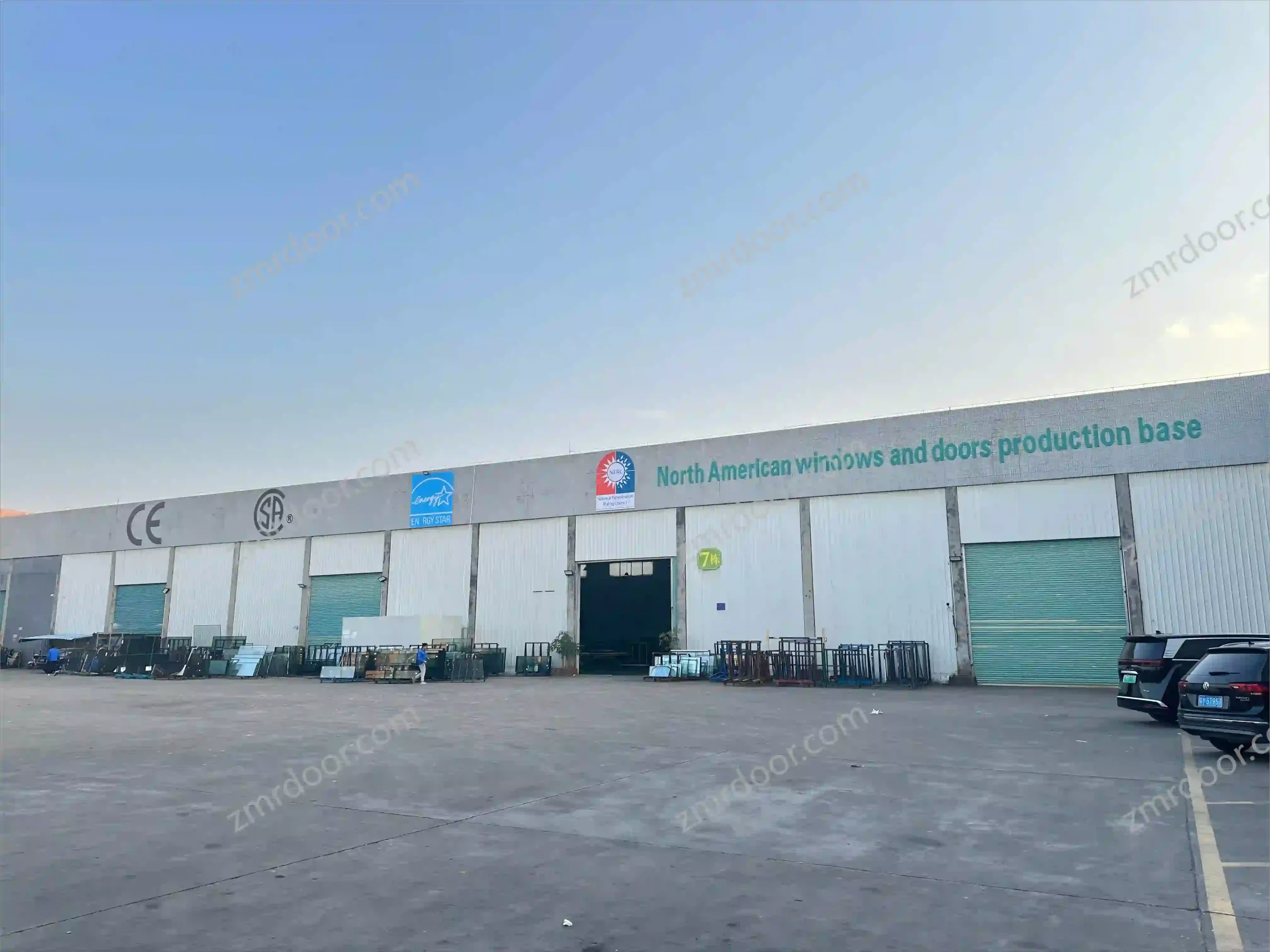
Our integrated production facility in Shishan Town, Nanhai District, Foshan occupies a key place within China's primary hub for high-end architectural aluminium profile extrusion. Direct access to raw material refining, precision billet extrusion, automated powder coating lines, and specialized hardware suppliers gives our manufacturing operations clear technical advantages:
- Automated CNC Profile Fabrication: Multi-axis CNC machining centers perform high-speed drilling, slotting, and corner mitering with zero human error margins, guaranteeing frame squareness and tight corner joints.
- Advanced Polyamide Thermal Crimping: High-precision thermal break assembly machinery inserts PA66GF25 structural polyamide strips into inner and outer aluminium profiles, creating a continuous thermal barrier that breaks heat conductivity paths.
- Structural Double & Triple Glazing: Fully automated insulated glass manufacturing lines equipped with warm-edge spacers, automated gas filling (90%+ Argon content), and automated secondary sealant application for long-term dew-point protection down to -40°C.
- Surface Finishing Excellence: Architectural-grade Qualicoat Class 2 certified powder coating and fluorocarbon PVDF spray treatments offering superior UV stability, salt spray corrosion resistance (> 3,000 hours), and high color retention in harsh marine environments.
Engineering Matrix: System Selection by Architectural Application
Selecting the right door or window mechanism depends on structural wind load requirements, localized acoustic challenges, and thermal insulation targets. The table below outlines key engineering criteria across primary product categories:
| System Type | Profile Wall Thickness | Thermal Break Tech | Glazing Specification | Max U-Factor (W/m²K) | Acoustic Rating |
|---|---|---|---|---|---|
| Thermal Break Casement | 1.8mm - 2.0mm | 24mm - 34mm PA66GF25 Strip | 5mm Low-E + 12Ar + 5mm Tempered | 1.1 - 1.4 | STC 38 - 42 dB |
| Heavy Duty Sliding Door | 2.0mm - 3.0mm | 20mm - 28mm Polyamide Barrier | 6mm Low-E + 16Ar + 6mm Tempered | 1.3 - 1.6 | STC 35 - 40 dB |
| Panoramic Bi-Fold Door | 2.0mm - 2.2mm | 24mm Thermal Strip | 6mm + 12Ar + 6mm Safety Glass | 1.4 - 1.7 | STC 36 - 39 dB |
| Tilt & Turn European Window | 1.8mm - 2.2mm | 34mm Multi-Cavity Barrier | 5mm Low-E + 12Ar + 5mm + 12Ar + 5mm | 0.8 - 1.1 | STC 40 - 45 dB |
| Hurricane Impact System | 2.2mm - 3.0mm | Reinforced Thermal Core | 6mm Temp + 1.52PVB + 6mm Laminated | 1.5 - 1.8 | STC 42 - 48 dB |
Future Procurement Trends in Architectural Aluminium Systems (2025-2030)
Global procurement specialists and architectural project buyers must adjust their sourcing strategies to keep pace with rapid technological shifts. Over the next five years, four macro trends will define the premium aluminium fenestration market:
1. Decarbonization & Low-Carbon Circular Aluminium Billet Sourcing
With carbon border adjustment mechanisms (such as the EU's CBAM) coming into force, international builders now demand verifiable Environmental Product Declarations (EPDs). Sourcing aluminium extrusions manufactured using hydro-electric powered smelting and post-consumer recycled billet content drastically reduces embodied carbon in the building envelope without compromising 6063-T6 tensile strength.
2. Transition to Ultra-Low U-Value Vacuum Insulated Glass (VIG) Systems
While traditional double-glazed IGUs hit performance walls around U-values of 1.2 W/m²K, the integration of Vacuum Insulated Glass (VIG) into slim thermal-break frames allows systems to achieve U-factors below 0.6 W/m²K (R-18 equivalent). This delivers passive-house level insulation while keeping sightlines slim and elegant.
3. Integration of Smart Automation & Concealed Hardware
Modern luxury and commercial projects increasingly specify multi-point electronic locking actuators integrated directly with building automation protocols (KNX, BACnet, or smart home ecosystems). Concealed heavy-duty hinges capable of supporting sash weights up to 300 kg ensure clean interior aesthetics with smooth, motorized operation.
4. Extreme Weather & Hurricane Impact Resiliency Standards
Driven by shifting climate patterns, wind load standards originally developed for hurricane zones (such as Florida Building Code TAS 201/202/203) are becoming standard global requirements. Future-proof fenestration requires structural silicone glazing (SSG), heavy-gauge interlockers, and high-impact PVB/SGP laminated glass interlayers.
Frequently Asked Questions for B2B Importers & Project Engineers
Every system series undergoes Initial Type Testing (ITT) conducted by accredited third-party laboratories to establish baseline performance curves for air permeability, watertightness, wind resistance, and thermal transmittance. Our Factory Production Control (FPC) system, certified under ISO 9001, ensures that all custom-fabricated dimensions use identical profile wall thicknesses, gasket materials, structural corner keys, and glass bonding techniques approved during ITT testing.
We use precision-extruded PA66GF25 (polyamide 66 reinforced with 25% glass fiber) insulating strips rather than cheap PVC substitutes. PVC breaks under thermal expansion stress, while PA66GF25 matches aluminium's coefficient of thermal expansion, preventing structural shear failures. Combined with multi-cavity thermal break designs, warm-edge glass spacers, Low-E coatings, and Argon gas fill, our assemblies achieve overall system U-factors as low as 0.8 to 1.1 W/m²K.
All units undergo a six-tier export packaging protocol: (1) Protective surface film applied to exposed profile faces, (2) Shock-absorbing foam corner caps on every sash, (3) Vacuum-sealed plastic wraps to prevent moisture exposure, (4) Individual cardboard wrapping, (5) Custom-built fully enclosed fumigated plywood crates (no solid wood requiring ISPM 15 stamps), and (6) Internal crate bracing with steel strapping to stop movement inside containers.
Yes. Upon contract sign-off and receipt of architectural drawings, our engineering department generates complete BIM models, elevation drawings, section details, and structural calculation packages (wind load deflection calculations based on local design pressure limits). Mass production only starts after client approval of signed shop drawings.
We supply top-tier hardware systems including German SIEGENIA, HOPPE, ROTO, and GU, alongside our premium in-house architectural brand backed by a 10-year warranty. Surface finishes include Qualicoat-certified powder coating (10-15 year warranty against chalking and fading) and AkzoNobel Fluorocarbon PVDF spray coatings (20-year warranty for extreme coastal exposures).
Accelerate Your Architectural Fenestration Sourcing
Partner with an established CE Certified Aluminium Fabrication Manufacturer. Contact our technical engineering group today for shop drawing reviews, system thermal calculations, and direct factory pricing.
Get Catalog