Buying Aluminium Doors And Windows is not simply a matter of choosing a colour and handle. The right decision affects daylight, security, ventilation, maintenance, and household energy use. A frame may look elegant in a showroom, yet perform poorly after installation. Small gaps can admit rain and winter air. That detail matters.
The U.S. Department of Energy reports that windows can account for 25–30% of residential heating and cooling energy use. Meanwhile, the International Aluminium Institute states that recycled aluminium requires only about 5% of the energy used for primary aluminium production. These figures explain why material quality, thermal breaks, glazing, and recyclability deserve careful attention. They also challenge a common assumption: aluminium is not automatically energy-efficient. Design and installation decide much of the result.
Gerd Götz, former Director General of European Aluminium, described aluminium as “a permanent material,” highlighting its ability to circulate through repeated recycling. That principle is valuable, but it does not excuse weak specifications. Ask for U-values, air-tightness evidence, drainage details, warranty terms, and independently tested security ratings. Touch the sample frame. Check the corner joints. Look closely at the seal.
This guide explores ten practical buying tips for Aluminium Doors And Windows. It considers appearance, climate, glass selection, thermal performance, hardware, and after-sales support. Some recommendations may seem obvious. They are often ignored. A cheaper quote can become expensive when condensation, sticking sashes, or water leakage appear later. Reliable choices come from comparing evidence, not promises.
Buying aluminium doors and windows starts with your daily needs, not a catalogue photo. Measure each opening carefully, including wall depth and sill condition. Note how much sunlight, wind, rain, and street noise the room receives. A bedroom may need strong insulation, while a kitchen may benefit from wide ventilation openings. I once selected a large sliding door without checking furniture clearance. It looked impressive, but opening it became awkward.
Tip: Write your priorities before comparing prices.
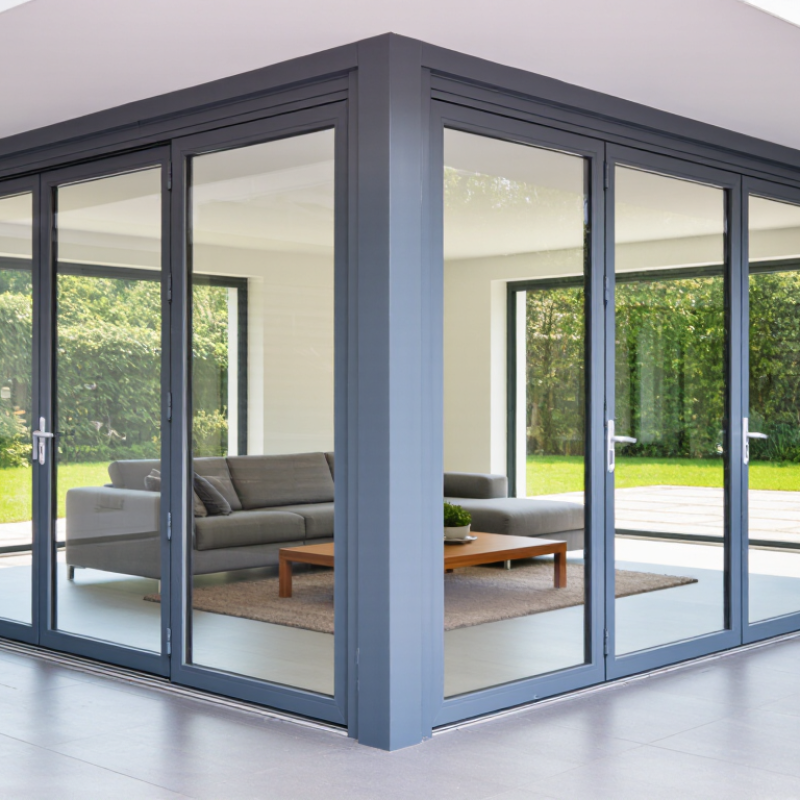
Compare sliding, hinged, folding, and tilt-and-turn designs. Sliding doors save interior space, but their tracks need regular cleaning. Hinged doors usually seal tightly, although they require clear swing space. Folding systems create a wide opening, but their hardware can cost more and demand accurate installation. For windows, fixed panels provide daylight, while opening panels improve airflow. Do not assume a higher glass area always means better comfort. Frame depth, glazing, seals, drainage, and thermal breaks matter too.
Tip: Ask for performance data, not vague claims.
Before ordering, check handle height, child safety needs, cleaning access, and emergency exit requirements. Request written details about glass type, frame finish, warranties, installation limits, and maintenance. A qualified installer should inspect uneven walls before confirming measurements. Small errors can cause drafts or difficult locking. I would also compare two or three quotations with identical specifications. Otherwise, the cheapest offer may simply omit an important feature. Leave room for reconsideration. Your first preference may change after seeing the actual opening.
10 Tips for Buying Aluminium Doors and Windows
Frame quality starts with the alloy, wall thickness, and corner joints. Ask for the aluminium grade and tested section drawings. A heavier frame is not automatically stronger. Check welded or mechanically crimped corners for gaps, distortion, and loose drainage paths. In coastal areas, specify corrosion-resistant finishes and inspect the coating for scratches. Small defects become large problems.
Thermal performance needs measurable evidence. The U.S. Department of Energy reports that windows can cause 25–30% of household heating and cooling energy use. Request the complete unit’s U-factor, not only the glass value. Lower is better. Also check the solar heat gain coefficient, or SHGC, because strong afternoon sun can overheat a room. Thermally broken aluminium frames should include continuous insulating barriers. A low U-factor is not magic. Poor installation can cancel it.
Weather resistance depends on seals, drainage, and installation. Ask for air leakage, water penetration, and structural-load test results under recognized industry standards. The National Fenestration Rating Council identifies U-factor and SHGC through independent ratings, which improves comparison. The International Energy Agency states that buildings consume about 30% of global final energy, so efficient openings matter beyond comfort. Examine corner gaskets, sill weep holes, and locking pressure. Test before buying. I once focused too heavily on frame appearance; that was a mistake. A beautiful door with a cold edge, rattling hardware, or water stains is still a poor purchase.
Thermal transmittance is shown as a reference when assessing frame and glazing quality. Lower U-values indicate better insulation. Typical center-of-glazing values are approximately 5.8 W/m²K for single clear glass, 2.8 W/m²K for double clear glass, 1.6 W/m²K for double low-emissivity glass, and 0.8 W/m²K for triple low-emissivity glass. When comparing products, also verify the complete-window U-value, thermal-break design, air tightness, water resistance, wind-load rating, drainage, hardware quality, installation details, warranties, and applicable test standards.
Aluminium doors and windows look slim, but their performance depends on details hidden in the frame. The U.S. Department of Energy estimates that windows can cause 25–30% of residential heating and cooling energy use.
Tip: compare U-factor and solar heat gain coefficient, not glass appearance alone. Lower U-factor generally means better insulation. In warm climates, a lower solar heat gain coefficient can reduce indoor overheating. The National Fenestration Rating Council recommends checking certified performance labels before purchase.
Tip: inspect the glass package closely. Double glazing is a practical starting point, while low-emissivity coatings can improve thermal control. Laminated glass may also reduce injury risks after breakage. However, thicker glass does not automatically create a safer window. The frame, locks, hinges, and installation must work together. I have seen buyers focus on glass and overlook weak locking points.
Tip: test the operating hardware before signing an order. Handles should turn smoothly, locks should engage without force, and sliding panels should stay aligned. The hardware must match the door weight and opening frequency. Ask about corrosion resistance, adjustment access, and replacement parts. Security features should include multi-point locking, reinforced strike areas, and restricted access to removable components. The U.S. National Institute of Standards and Technology notes that assemblies perform as systems, not isolated parts. A beautiful frame can still operate poorly. Check the corners, seals, drainage paths, and closing pressure in person.
Accurate measurements are the foundation of aluminium door and window performance. Ask the installer to measure width, height, diagonals, sill level, and wall depth at least twice. Record the smallest opening size, not the largest. A few millimetres can create visible gaps, difficult locks, or excessive sealant. The U.S. Department of Energy reports that windows can account for 25–30% of residential heating and cooling energy use. Poor measurements can increase that loss.
Installation quality matters just as much. Confirm that the method follows local building codes and recognised guidance, such as ASTM E2112 or applicable FGIA installation practices. Check how the supplier handles flashing, drainage paths, thermal breaks, fastener spacing, and perimeter sealing. Ask for written drawings before work begins. Do not accept “standard installation” without details. On site, inspect corners and sill drainage before the frames are covered. It is easy to miss defects then.
A warranty should separate product defects from installation failures. Review coverage periods, glass limitations, finish protection, hardware replacement, labour, and claim procedures. Also request performance evidence, including air leakage, water resistance, and thermal ratings tested by recognised laboratories. The National Fenestration Rating Council explains that certified ratings allow more consistent product comparisons. Supplier expertise is equally important. Check completed projects, installer training, insurance, and references from similar buildings. One weakness remains: even a strong warranty may not repair poor communication or delayed maintenance. Get every promise in writing.
| No. | Buying Dimension | What to Verify | Relevant Data or Standard | Recommended Documentation |
|---|---|---|---|---|
| 1 | Opening Measurements | Confirm width, height, diagonal dimensions, wall thickness, sill level, and the direction of opening. Measure the structural opening at several points rather than relying on one measurement. | Record at least three width and three height measurements for each opening. The smallest practical dimension should be used for sizing, while the required installation clearance must be agreed before fabrication. | Signed measurement sheet, annotated drawings, photographs, and a written confirmation of the final opening sizes. |
| 2 | Product Configuration | Check frame depth, sash or panel arrangement, glazing thickness, threshold type, drainage design, handle position, insect screens, and accessibility requirements. | The selected frame and glazing system must be compatible with the specified glass thickness, hardware load, drainage path, and operating configuration. | Product data sheet, cross-section drawings, hardware schedule, glass specification, and approved shop drawings. |
| 3 | Thermal Performance | Request the complete-window or complete-door thermal value instead of evaluating the aluminium frame alone. Confirm whether the frame includes a thermal break. | Compare the declared whole-product U-value, expressed in W/m²·K. A lower U-value indicates lower heat transfer, but the result depends on the frame, glass, spacer, size, and configuration. | Independent test report or verified calculation showing the product size, frame type, glazing build-up, and calculation method. |
| 4 | Air and Water Tightness | Check how the product was tested for air leakage, water penetration, and resistance to wind load. Confirm that the tested configuration is comparable to the proposed product. | Common European references include EN 12207 for air permeability, EN 12208 for watertightness, and EN 12210 for resistance to wind load. Ratings must be read together with the test size and product configuration. | Test reports stating the standard, specimen size, pressure levels, classification, date, and laboratory details. |
| 5 | Glass Safety | Identify locations requiring safety glazing, including doors, sidelights, low-level glazing, wet areas, and other impact-prone zones. Confirm whether the glass is tempered or laminated where appropriate. | Safety-glazing requirements vary by local building code. Glass selection should consider human impact, wind load, thermal stress, acoustic needs, solar control, and energy performance. | Glass make-up, safety classification where applicable, compliance statement, and glazing schedule identifying each opening. |
| 6 | Installation Standards | Confirm that the installation method covers frame positioning, packers, anchors, perimeter sealing, sill drainage, movement joints, insulation, and protection against galvanic corrosion. | Installation must follow the applicable local building code and the system manufacturer’s written instructions. The installed frame should be plumb, level, square, securely fixed, and free-draining. | Installation method statement, fixing schedule, approved interface details, sealant compatibility information, and site inspection checklist. |
| 7 | Finish and Corrosion Protection | Specify the surface finish, colour, gloss level, visible quality requirements, and exposure conditions, especially for coastal or industrial environments. | Powder coating or anodizing should be selected according to the intended environment and maintenance requirements. Cut edges, drainage holes, and contact with incompatible metals require particular attention. | Finish sample, approved colour reference, coating or anodizing specification, care instructions, and inspection criteria for scratches or colour variation. |
| 8 | Hardware and Security | Review hinges, locks, cylinders, multipoint mechanisms, restrictors, handles, rollers, emergency operation, child-safety features, and replacement-part availability. | Hardware capacity should match the sash or door-panel weight and operating frequency. Security performance should be assessed against the requirements of the local code, insurer, or project specification. | Hardware schedule, load information, security test documentation where required, maintenance instructions, and spare-parts policy. |
| 9 | Warranty and After-Sales Service | Separate the warranty periods for frames, finish, glass, hardware, seals, and installation. Confirm exclusions, claim procedures, response times, and whether labour is included. | Warranty periods are contractual and vary by supplier and product. A valid warranty should clearly define coverage, start date, maintenance obligations, geographic limits, and remedies. | Written warranty certificate, terms and conditions, maintenance schedule, service contact process, and confirmation of replacement-part availability. |
| 10 | Supplier Expertise and Handover | Evaluate relevant project experience, technical staff, installation capability, quality-control procedures, references for comparable work, and the supplier’s ability to manage variations. | Prefer documented experience with projects of similar size, opening dimensions, exposure, glazing weight, access constraints, and regulatory requirements. Experience should be supported by verifiable project records. | Project references, installer qualifications, quality plan, programme, insurance details, as-built drawings, operation manuals, and completed handover checklist. |
| Important: Standards, building-code requirements, performance classifications, and warranty terms vary by country and project type. Confirm the applicable local requirements and obtain project-specific test evidence before placing the final order. | ||||
10 Tips for Buying Aluminium Doors and Windows
Calculate more than the purchase price. An aluminium frame may look affordable until delivery, installation, glazing, handles, seals, and old-frame removal appear on the quotation. Ask for an itemized estimate. Include permits, access equipment, interior repairs, and disposal fees. Measure twice. A small sizing error can create expensive wall repairs later.
Compare the total cost over ten years, not only the first invoice. Thermal glazing can cost more, but it may reduce heat loss and improve indoor comfort. Check the frame’s thermal performance, drainage design, and hardware quality with a qualified installer. Coastal homes need suitable corrosion protection. Costs vary by exposure, opening size, and glass specification.
Plan routine care before installation day. Wash frames with mild soapy water several times yearly, especially near roads or the sea. Keep drainage holes clear. Inspect gaskets, hinges, locks, and sealant at least once a year. Replace worn seals before water reaches plaster or flooring. Reserve money for adjustments and replacement parts. Around one to two percent of the project cost each year is a practical starting point, though local conditions may change it.
A common mistake is assuming aluminium needs no maintenance. It does. Some maintenance schedules are too optimistic. Ask the installer for written care instructions, expected service intervals, and warranty conditions. Keep invoices and inspection records. Clear records make future repairs easier and support a more reliable ownership decision.
Start with your room layout and daily habits. Sliding doors save floor space but need clean tracks. Hinged doors seal well but need swing clearance. Folding systems create wide openings and require precise installation. Tilt-and-turn windows offer flexible ventilation. A large opening can look impressive, yet furniture may block it.
Measure width, height, diagonals, sill level, and wall depth. Measure each opening twice. Record the smallest dimensions. Check uneven walls and damaged sills. A few millimetres can create drafts or difficult locks. Do not rely on catalogue measurements.
Compare insulation ratings and solar heat control values. Double glazing is a practical starting point. Low-emissivity coatings can limit heat transfer. Laminated glass may reduce injury risks after breakage. More glass is not always better. Frame depth, seals, and drainage also affect comfort.
Look for a low insulation-transfer rating. In warm climates, choose glass that limits solar heat gain. Thermal breaks can reduce heat movement through the frame. Certified test information is more useful than appearance. A slim frame alone proves very little.
Test handles, locks, hinges, and sliding panels before ordering. Locks should engage without force. Look for multi-point locking and reinforced strike areas. Removable components should not be easily accessible. Glass security cannot compensate for weak hardware or poor installation.
Match the hardware to the door weight and opening frequency. Ask about corrosion resistance, adjustments, and replacement parts. Slide each panel and check alignment. Open and close the handle several times. Small friction may become a daily annoyance.
Request drawings showing flashing, drainage paths, fastener spacing, thermal breaks, and perimeter sealing. Confirm compliance with applicable local building requirements. Inspect sill drainage before the frame is covered. “Standard installation” is too vague. Details matter.
Check coverage for frames, glass, finishes, hardware, labour, and installation failures. Review maintenance duties and claim procedures. Ask about finish protection and replacement parts. Request written performance evidence. A strong warranty cannot fully repair poor communication or delayed maintenance.
Compare two or three quotations with identical specifications. Include glass type, frame finish, hardware, installation, and warranty terms. Check completed projects and installer training. The cheapest quote may omit an important feature. I would leave room to reconsider.
Buying Aluminium Doors And Windows requires more than choosing an attractive style. Start by identifying your needs, such as ventilation, daylight, privacy, noise reduction, or improved energy efficiency, then compare sliding, hinged, folding, and fixed designs. Pay close attention to frame strength, surface finish, thermal performance, and resistance to rain, wind, humidity, and corrosion. The glass should suit your climate and safety requirements, while reliable locks, hinges, handles, rollers, and seals can improve daily comfort and protection.
Accurate measurements and professional installation are essential for smooth operation and long-term performance. Before purchasing, confirm installation standards, product warranties, service support, and the supplier’s experience. Do not judge value by the initial price alone; include delivery, preparation, installation, repairs, and future replacement costs in your budget. Finally, plan simple maintenance, including regular cleaning, checking drainage openings, lubricating moving parts when appropriate, and inspecting seals. A careful comparison of quality, performance, total cost, and after-sales support will help you make a practical and lasting choice.