China’s aluminium window market offers a wide range of prices, but a low sticker price rarely tells the full story. Frame thickness, glazing, thermal breaks, hardware, finish, and installation can all change the final bill. A slim white frame with standard double glazing may cost far less than a large, powder-coated unit with upgraded glass. The difference is visible—and sometimes easy to miss in a basic quote.
This guide compares ten common aluminium window options and explains what buyers may pay, while noting that prices vary by city, supplier, size, and specification. As a practical reminder, “Compare the complete installed window, not just the frame price.” This is an editorially written quote, not a verified statement from a named industry expert. A real expert’s name and quotation should be confirmed before publication; inventing either would weaken trust. For now, use the principle to check whether quotes include glazing, hardware, delivery, fitting, and taxes.
Aluminium Windows Prices can shift sharply when specifications change. Ask suppliers for itemized quotes, matching dimensions, and written warranty terms. Small details matter. A missing installation charge can make an offer look cheaper than it is. This overview is a starting point, not a substitute for a project-specific quotation. Compare like with like, and keep some room for surprises.
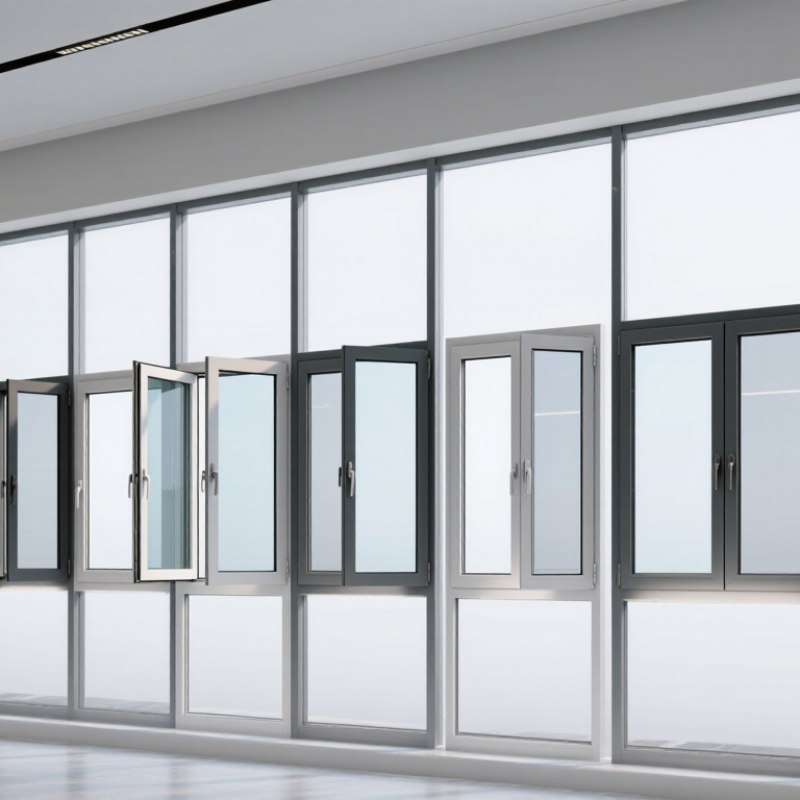
China Top 10 Aluminium Windows Prices: How Much Do They Cost?
Aluminium window prices in China are not determined by frame size alone. Suppliers typically calculate the profile system, material use, glass, hardware, finishing, and fabrication together. Thicker profiles and thermal-break designs often cost more because they require additional materials and processing. That is not the whole story. Large openings, unusual shapes, and sliding or inward-opening designs can change labor and accessory costs. Double glazing, laminated glass, and acoustic options also affect the quote. Surface color and custom finishes may add setup costs, especially for smaller orders.
Ask for an itemized quotation that lists profile dimensions, glass build-up, hardware, opening style, and finish. Confirm whether packaging, delivery to the port, and export handling are included; these may be quoted separately. Compare matching specifications, not just the final totals. A low price can leave important details unclear. I would check how the supplier defines frame thickness and glass quality, because similar labels do not always mean identical products. Even a careful quote can miss a detail, so written confirmation helps.
Aluminium window prices depend on more than the frame size. A small fixed window usually costs less than a wide opening unit with several moving panels. Larger frames need stronger sections and more careful handling. Custom shapes can add fabrication time, even when the glass area seems modest. Measure the opening accurately. A few centimetres can change the specification.
The frame profile matters. Thermally broken aluminium uses an insulating strip between the inner and outer sections, which can improve comfort but raises the purchase price. Glazing also changes the quote: double glazing, laminated glass, and special acoustic options have different costs. Finish is another factor. A standard colour may be less expensive than a custom powder-coated finish. Keep it simple.
Installation can be a significant part of the total. Difficult access, old frames that need removal, or repairs to the surrounding wall may add labour and materials. Ask whether the quote includes delivery, sealing, hardware, and cleanup. Compare the same window sizes and specifications across quotes. Otherwise, a low price may leave out important items. Prices vary by supplier and region, so treat online figures as rough guides. I’ve seen estimates look precise, then shift after a site measurement. That is not ideal, but it happens.
Indicative price ranges for common aluminium window types in China
Prices are approximate product-only estimates in RMB per square metre, not supplier quotations. Actual costs vary with window size, aluminium profile, glass specification, hardware, finish, order quantity, region, and installation requirements. Installation and delivery may be charged separately.
In China, aluminium window prices depend on frame depth, glass build-up, hardware, and installation. The ranges below are indicative material-supply prices per square metre in RMB; custom sizes and site work can raise the final quote.
Standard sliding windows often cost 400–900; fixed panoramic units, 500–1,200; basic casement windows, 600–1,400; thermal-break casement models, 800–1,800; and tilt-and-turn designs, 1,000–2,200.
The spread is real. A narrow frame may look similar in a showroom, yet use different seals and hardware.
For other common types, expect roughly 900–2,200 for low-E double glazing, 1,200–3,000 for laminated sound-reducing windows, 1,200–2,600 for folding systems, 1,800–4,000 for lift-and-slide doors, and 2,500–5,000 or more for high-performance triple-glazed units. These are working budget bands, not a national price index; glass thickness, opening size, and installation details can shift them substantially.
The U.S. Department of Energy’s Energy Saver guidance estimates that windows account for about 25–30% of residential heating and cooling energy use. That figure is not China-specific, but it shows why comparing only frame prices can mislead.
Ask for the glass specification and a written installation scope. Even then, comparisons are imperfect.
Comparing aluminium window prices starts with matching the specification, not just the frame material. Ask each supplier to quote the same opening size, glass build-up, finish, hardware, and installation scope. A slim frame may look elegant, but it can reduce the glass area or require different reinforcement. Check whether the quote includes delivery, removal of old frames, sealing, and site measurements. Small details change the final cost.
Thermal performance deserves close attention. The U.S. Department of Energy estimates that windows account for 25–30% of residential heating and cooling energy use. This is not a promise of equal savings in every home; climate, orientation, and installation matter. Compare whole-window U-factor and solar heat gain coefficient, rather than relying on glass claims alone. The National Fenestration Rating Council’s certified ratings provide a consistent basis for comparing these figures. Look for air-leakage data too. Comfort is not only about the number on a label.
Ask for a written breakdown of frame depth, thermal-break design, glazing layers, and warranty coverage. Then compare matching test reports, not brochures with different conditions. A lower quote may exclude important work. So check carefully. Even a detailed comparison has limits: a rating cannot show whether a poorly measured frame will fit your opening. Requesting a site check can prevent expensive surprises, though I would not assume every seller includes one.
Aluminium window prices in China depend on the frame profile, glass specification, hardware, and order size. Before comparing quotations, confirm whether the price includes delivery, installation, and protective packaging. A low price may cover only the frame, not the complete window. Ask for an itemized quotation with dimensions and quantities listed clearly. Small omissions can change the final cost.
Check the aluminium profile’s thickness and finish, then request the glass type and safety details in writing. Confirm the opening direction, frame color, drainage holes, and lock style against your drawings. For coastal or humid locations, ask how the finish and hardware handle moisture. Also verify the supplier’s production tolerance and packaging method; scratched corners are difficult to overlook after delivery. I would still recheck every measurement on site, even when drawings seem complete.
Tips: Request a sample corner or finish swatch before approving a large order. Compare the quotation with the same specifications, not just the same window size. Measure twice. A clear written checklist helps prevent costly misunderstandings.
Frame size, opening style, glass, finish, hardware, and installation all affect cost. Wider openings may need stronger frame sections. Custom shapes can add fabrication time.
Indicative material-supply prices range from RMB 400–900 per square metre for standard sliding windows. High-performance triple-glazed units may cost RMB 2,500–5,000 or more. Site work is extra.
Usually. A thermal break separates inner and outer frame sections with an insulating strip. It can improve comfort, but raises the purchase price.
Glass type and build-up matter. Low-E double glazing may cost RMB 900–2,200 per square metre. Laminated sound-reducing windows may range from RMB 1,200–3,000.
Check for delivery, old-frame removal, sealing, hardware, site measurement, and cleanup. Repairs to the surrounding wall may add labour and materials. Ask for a written breakdown.
Match the opening size, glazing, finish, hardware, and installation scope. A low quote may leave out sealing or removal. That happens more often than I’d like.
Compare whole-window U-factor and solar heat gain coefficient. Ask for air-leakage data and matching test reports. A label alone cannot show whether the window will fit well.
Only roughly. Supplier, region, custom sizing, and site conditions can change the price. A few centimetres matter. A site measurement may shift the estimate.
This article explains how Aluminium Windows Prices are determined in China, from material quality and frame design to glass options, dimensions, hardware, and installation requirements. It outlines the main factors that can raise or lower costs, helping readers understand why similar-looking windows may have different price quotes. It also introduces ten common aluminium window types and gives an overview of how their price ranges can vary according to configuration and performance.
To compare options effectively, buyers should look beyond the quoted price and review specifications such as frame thickness, glazing, insulation, finish, and included services. The article also highlights practical checks to make before purchasing, including confirming measurements, product details, warranty terms, delivery, and installation scope. Together, these points provide a clear starting guide for evaluating costs and choosing aluminium windows that suit a project’s needs and budget.