Nanhai District, Foshan, Guangdong, China [email protected] Become a Dealer
0%

Choosing the right aluminium door supplier can shape a project’s comfort, appearance, and long-term maintenance costs. This guide introduces China’s Top 10 Aluminium Sliding Door Manufacturers, focusing on practical performance rather than polished marketing claims. It examines manufacturing experience, product ranges, material standards, customization capacity, export support, and after-sales reliability.

The comparison considers details that often matter on site. These include frame thickness, thermal breaks, glass options, roller smoothness, drainage design, and locking hardware. A well-made system should slide quietly, close evenly, and resist common coastal or humid conditions. Small details matter.

Company certifications, production capabilities, project references, and communication quality also deserve careful review. However, supplier rankings are never perfectly universal. A manufacturer suited to a luxury villa may not fit a budget apartment project. Buyers should verify current certificates, test reports, lead times, warranty terms, and installation guidance directly with each company. This step reduces avoidable surprises.

The featured manufacturers represent different strengths, from large-scale production to specialized custom design. Some may excel in engineering, while others offer stronger pricing or flexible minimum orders. That difference is important. A supplier’s factory size alone does not prove product quality.

For architects, contractors, distributors, and homeowners, Aluminium Sliding Doors should be assessed as complete systems, not attractive frames alone. Performance depends on correct measurement, glass selection, installation, and regular care. This introduction sets the direction for a balanced review, while leaving room for scrutiny. Even reliable information can become outdated. Always ask better questions before placing an order.
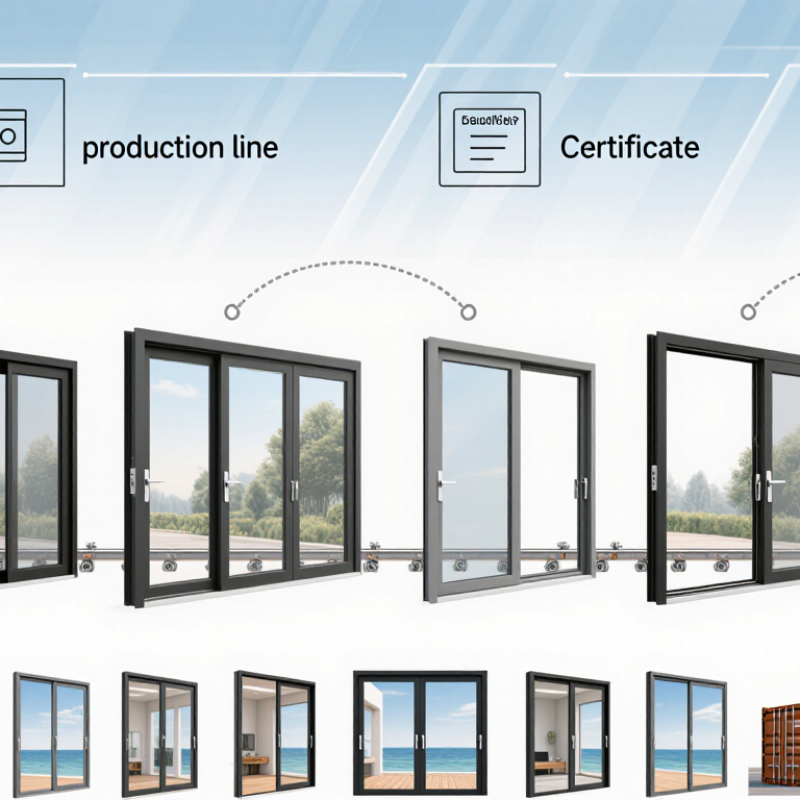
China Top 10 Aluminium Sliding Door Manufacturers

What Are Aluminium Sliding Doors?

Aluminium sliding doors are large glazed door systems that move horizontally along tracks instead of swinging inward or outward. Their frames use aluminium profiles, usually with thermal breaks, weather seals, rollers, and safety glass. This design creates a wide opening while preserving valuable floor space.

The International Aluminium Institute estimates that building and construction consume about one quarter of global aluminium demand. That figure reflects aluminium’s strength, durability, and recyclability in architectural applications. In practice, a well-designed sliding door can carry broad glass panels without bulky framing. Slim sightlines also bring more daylight into living rooms, balconies, and commercial interiors.

Energy performance depends on more than the frame. The U.S. Department of Energy reports that windows can account for 25–30% of residential heating and cooling energy use. Poor glass, weak seals, or incorrect installation may increase drafts and indoor heat gain. Low-emissivity glazing, insulated profiles, and properly drained tracks matter greatly. The rollers should move smoothly, not scrape or shake. Small defects become obvious after months of daily use.

Aluminium is not automatically the best choice. Its thermal conductivity can create cold interior surfaces without a proper thermal barrier. Coastal projects also require suitable surface treatments and regular cleaning. I have seen attractive doors fail because installers ignored drainage details. The frame looked premium, but water entered during heavy rain. Specification and workmanship deserve equal attention.

How to Evaluate Chinese Aluminium Sliding Door Manufacturers

China Top 10 Aluminium Sliding Door Manufacturers

How to Evaluate Chinese Aluminium Sliding Door Manufacturers

Choosing among China’s top aluminium sliding door manufacturers requires more than comparing catalogues and prices. Check whether the factory controls aluminium extrusion, cutting, assembly, and surface finishing. A reliable supplier should provide clear production records and recent quality certificates. Ask for test reports covering air leakage, water resistance, wind pressure, and operating cycles. Photos are not proof.

Visit the workshop online or in person. Look for organized storage, calibrated measuring tools, and protected glass areas. Request a sample with your actual dimensions, glass type, hardware, and surface finish. Measure frame tolerances after delivery. The sliding panels should move smoothly without scraping or excessive vibration. Test the locks repeatedly. Small defects often become expensive installation problems.

Review the aluminium alloy, wall thickness, thermal-break design, and powder-coating thickness. These details affect strength, corrosion resistance, and long-term appearance. Confirm the supplier’s packaging method, replacement policy, lead time, and inspection procedure. Independent pre-shipment inspection can reduce surprises. In my experience, suppliers answer differently when asked for evidence rather than promises. No checklist is perfect. A rushed sample decision can still mislead you, especially when the final project uses larger panels or harsher weather conditions.

China Top 10 Aluminium Sliding Door Manufacturers - How to Evaluate Chinese Aluminium Sliding Door Manufacturers

No. Evaluation Dimension What to Verify Reliable Evidence Suggested Weight Pass Benchmark
1 Business Legitimacy and Export History Confirm the legal entity, registered business scope, operating address, export markets, and length of aluminium door manufacturing experience. Business license, customs records, audited company profile, factory video call, and references from recent buyers. 10% Verifiable manufacturer identity and at least three years of relevant export experience.
2 Compliance with Chinese Product Standards Check whether the product specifications are tested against applicable Chinese standards, including GB/T 8478 for building doors and windows where relevant. Current laboratory reports, test methods, product drawings, and traceable sample identification. 10% Testing documents clearly match the proposed profile, glass, hardware, and door configuration.
3 International Performance Testing Evaluate air leakage, water penetration, wind-load resistance, operating force, and thermal performance according to the destination market. Reports from accredited laboratories using standards such as EN 14351-1, ASTM E283, ASTM E331, or AAMA/WDMA/CSA requirements, when applicable. 12% The tested configuration meets the performance level required by the project location and building code.
4 Aluminium Alloy and Profile Quality Verify alloy designation, wall thickness, dimensional tolerance, profile strength, thermal-break design, and recycled-content claims. Mill certificates, material declarations, profile drawings, incoming inspection records, and random material testing. 12% Material certificates and measured dimensions consistently match the approved technical drawings.
5 Surface Finish and Corrosion Resistance Assess powder coating or anodizing type, coating thickness, color consistency, adhesion, weather resistance, and pretreatment process. Coating supplier documentation, thickness measurements, adhesion tests, color samples, and accelerated corrosion-test reports where specified. 10% Finish complies with the project specification and remains consistent across production batches.
6 Glass, Hardware, and Accessory Reliability Review glass safety type, thickness, spacer and sealant system, roller load capacity, locks, handles, drainage components, and replacement availability. Component datasheets, safety-glass certificates, hardware load tests, approved sample, and spare-parts list. 10% All critical components are specified by model or performance rating and can be replaced after installation.
7 Customization and Engineering Capability Determine whether the manufacturer can produce non-standard sizes, multi-panel systems, corner units, different opening types, and project-specific details. Shop drawings, engineering calculations, design revision records, prototype samples, and installation manuals. 10% Engineering drawings are reviewed and approved before production, with clear responsibility for revisions.
8 Quality Control and Traceability Review inspection points for profiles, machining, assembly, glass installation, packaging, and final operation testing. Quality-control plan, inspection checklist, nonconformance records, batch numbers, and pre-shipment inspection results. 10% Each shipment is traceable to production records, and defects are documented with corrective actions.
9 Lead Time, Packaging, and Logistics Compare realistic production schedules, container-loading methods, moisture protection, corner protection, labeling, and shipping documentation. Signed production schedule, packaging specification, loading photographs, export documents, and previous delivery records. 8% The supplier provides a documented schedule and packaging system suitable for long-distance sea transport.
10 Commercial Terms, Warranty, and After-Sales Support Assess quotation transparency, payment terms, warranty coverage, installation guidance, claim handling, and long-term spare-parts support. Detailed quotation, sales contract, warranty document, response-time commitment, installation guide, and service records. 8% Costs, exclusions, warranty responsibilities, and corrective-action procedures are written into the contract.
Total Evaluation Weight 100% Rank manufacturers only after documents, samples, and production capability have been independently verified.

China’s Top 10 Aluminium Sliding Door Manufacturers

China’s Top 10 Aluminium Sliding Door Manufacturers

China’s top 10 aluminium sliding door manufacturers are often judged by more than product appearance. Reliable suppliers combine stable extrusion quality, precise fabrication, and consistent hardware performance. In practical projects, these details affect daily comfort, safety, and maintenance costs.

A strong manufacturer should provide clear alloy specifications, glass options, surface-treatment records, and installation drawings. Powder coating should resist fading, while anodized finishes need an even color across every frame. Smooth rollers matter too. A well-made door should open quietly, even after repeated testing.

Factory experience is visible in small details. Check corner joints, drainage holes, gasket fitting, and track alignment. Ask for sample sections before approving large orders. Quality certificates help, but they do not replace physical inspection. A supplier may show impressive photographs, yet packaging and delivery control still require attention.

The top 10 list should also consider customization ability. Projects may require narrow frames, thermal breaks, large glass panels, or coastal-grade finishes. Experienced teams can explain limits instead of promising everything. That honesty is valuable. Still, no ranking is perfect. Buyers should compare test reports, lead times, warranty terms, and communication records before choosing a manufacturer. A beautiful showroom sample can hide weak performance if the production process is inconsistent.

Key Products, Technologies, and Customization Options

China’s top 10 aluminium sliding door manufacturers should be judged by products, testing, and customization depth. Their core ranges usually include thermal-break doors, lift-and-slide systems, slim-frame doors, and heavy-duty balcony units. On site, frame rigidity matters. A 3.2-metre panel can expose poor roller alignment within months.

Energy performance deserves close attention. The International Energy Agency reports that buildings consume about 30% of global final energy. Therefore, leading manufacturers use polyamide thermal breaks, multi-chamber profiles, low-emissivity glass, and compression seals. Some systems also support double or triple glazing. However, thermal claims need verification. Ask for U-values, air-tightness results, and test standards, rather than relying on attractive brochures.

Customization separates capable suppliers from ordinary fabricators. Options may include powder-coating colors, wood-effect finishes, concealed drainage, anti-lift locks, soft-close rollers, insect screens, and oversized glass panels. Hardware load ratings should match the panel weight and opening frequency. Reports from Grand View Research indicate continued growth in aluminium doors and windows, driven partly by energy-efficient construction and renovation demand. That trend is useful, but market growth does not guarantee workmanship. A weak installation can ruin a strong design. Manufacturing tolerances, packaging, delivery protection, and after-sales documentation deserve equal review. Small details matter.

How to Choose the Right Manufacturer for Your Project

China Top 10 Aluminium Sliding Door Manufacturers

Choosing among China’s top aluminium sliding door manufacturers requires more than comparing catalog prices. Start with your project conditions: opening width, wind exposure, coastal humidity, glazing type, and daily traffic. A supplier should provide profile thickness, alloy grade, surface treatment details, and hardware specifications. Ask for drawings before approving production.

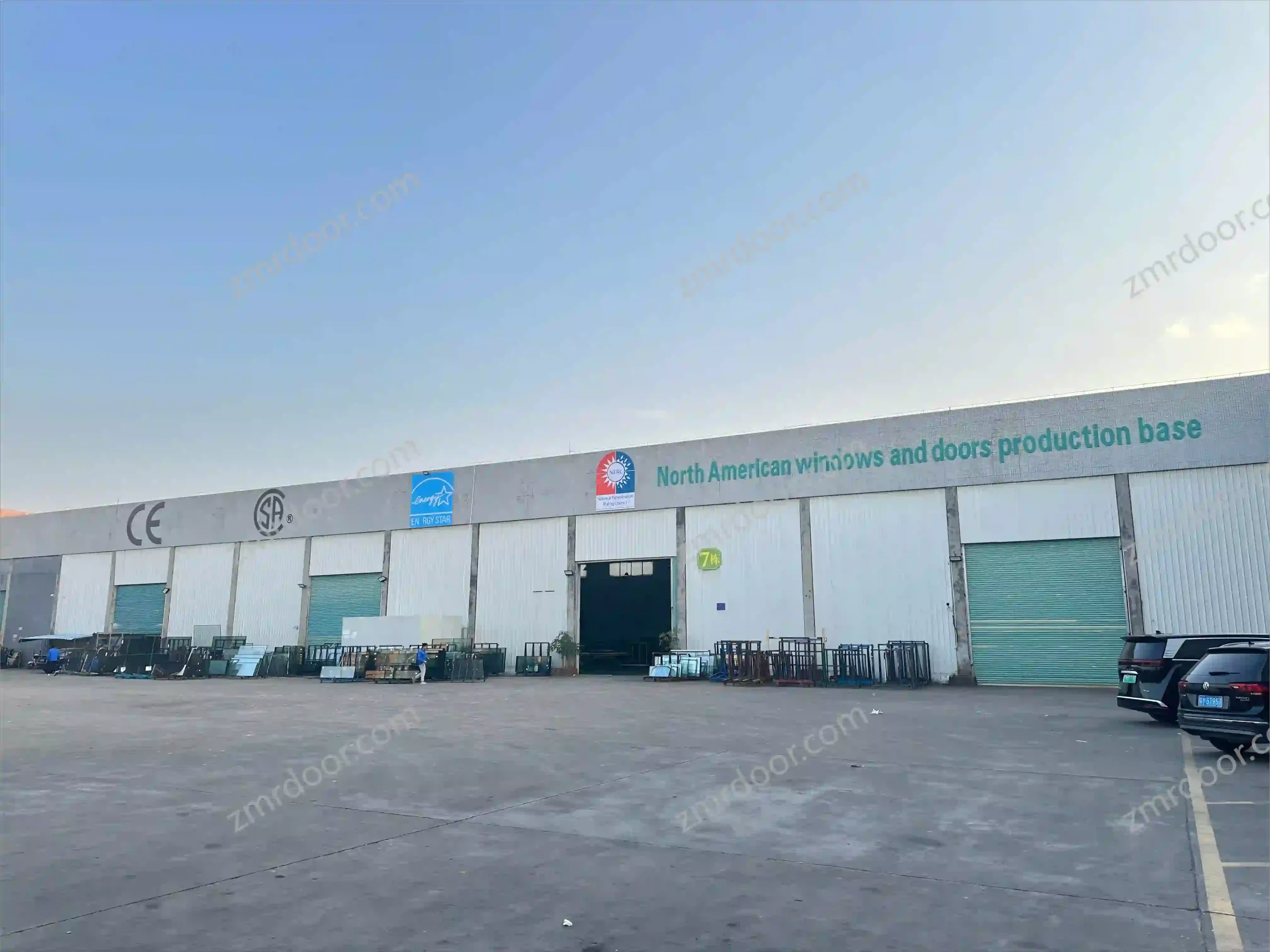
Factory capability matters. Check whether the manufacturer controls extrusion, powder coating, assembly, and quality inspection. Request recent photos of production lines, not only showroom images. Reliable suppliers can share test reports for air infiltration, water resistance, wind pressure, and thermal performance. Certifications should match your destination market and the actual product configuration. A document with the wrong model proves little.

Communication is another practical test. Send one detailed opening schedule and watch how the factory responds. Skilled engineers will question unclear tolerances, drainage, glass weight, and installation conditions. They should also explain packing methods, replacement procedures, and lead times in writing. A sample corner can reveal rough cutting, uneven coating, or weak locking points. Low prices look attractive. Sometimes they hide thinner profiles or cheaper rollers. I have seen projects lose time because these details were checked too late. Leave room for revisions, because the first specification is rarely perfect.

China Top 10 Aluminium Sliding Door Manufacturers: How to Choose the Right Manufacturer for Your Project

Use this practical evaluation framework to compare manufacturers without relying only on price. Performance, compliance, customization, delivery capability, and after-sales support should all be reviewed before placing an order.

Recommended evaluation weighting for an aluminium sliding door project. The percentages are planning benchmarks and should be adjusted according to project location, building codes, climate, system requirements, and installation conditions.

FAQS

What should I check before selecting a Chinese aluminium sliding door manufacturer?

Review extrusion, cutting, assembly, finishing, and inspection capabilities. Ask for production records and recent certificates. Catalogue claims are not enough.

Which project details should I provide to potential suppliers?

Share opening width, panel size, wind exposure, coastal humidity, glazing type, and daily traffic. Include installation conditions and destination requirements. Ask for drawings before production.

How can I verify a factory’s real production capability?

Request a live workshop visit or recent production-line images. Look for organized storage, calibrated measuring tools, and protected glass areas. Showrooms can mislead.

What technical specifications deserve close attention?

Confirm the aluminium alloy, profile thickness, thermal-break design, coating thickness, glass, and hardware. These affect strength, weather resistance, and appearance. Thin profiles may reduce the quoted price.

Which tests and certificates should a supplier provide?

Request reports for air leakage, water resistance, wind pressure, operating cycles, and thermal performance. Confirm the documents match the actual model and configuration. A mismatched certificate proves little.

How can a physical sample reveal quality problems?

Order a sample using your dimensions, glass, hardware, and finish. Check rough cuts, uneven coating, drainage, locks, and corner alignment. Slide panels repeatedly. Scraping or vibration needs investigation.

How should I assess communication and engineering support?

Send one detailed opening schedule. Notice whether engineers ask about tolerances, glass weight, drainage, and installation. Clear answers should include packing, replacement procedures, and lead times. Silence is information.

What should I confirm about delivery and inspection?

Get packaging methods, inspection steps, replacement terms, and lead times in writing. Consider an independent pre-shipment inspection. Measure frame tolerances after delivery. A cheap order can become expensive during installation.

Can the first sample guarantee final project performance?

No. Larger panels, harsher weather, or changed hardware can produce different results. Leave room for revisions and retesting. My checklist may miss something.

Conclusion

This article provides a practical guide to Aluminium Sliding Doors and the factors that make them suitable for residential, commercial, and architectural projects. It explains their basic structure, including aluminium frames, sliding panels, glass options, tracks, rollers, seals, and locking systems, while highlighting benefits such as durability, smooth operation, flexible design, energy efficiency, and low maintenance. Readers will also learn how to evaluate Chinese manufacturers by reviewing production capabilities, material quality, engineering standards, customization services, quality control, delivery capacity, and after-sales support.

The article introduces a carefully selected list of China’s top 10 Aluminium Sliding Door manufacturers without focusing on brand promotion. It compares their key product categories, technical strengths, configuration choices, surface finishes, glass solutions, thermal insulation options, and project customization capabilities. Finally, it offers a clear selection framework based on project requirements, climate, budget, performance expectations, installation conditions, certifications, communication efficiency, and long-term service, helping buyers choose a dependable manufacturing partner with confidence.

Olivia

Olivia

Olivia is a marketing professional who brings a deep understanding of the company’s products and the needs of the people who use them. Through her work, she helps make complex product information clear, practical, and useful, giving readers the knowledge they need to make informed decisions. She......