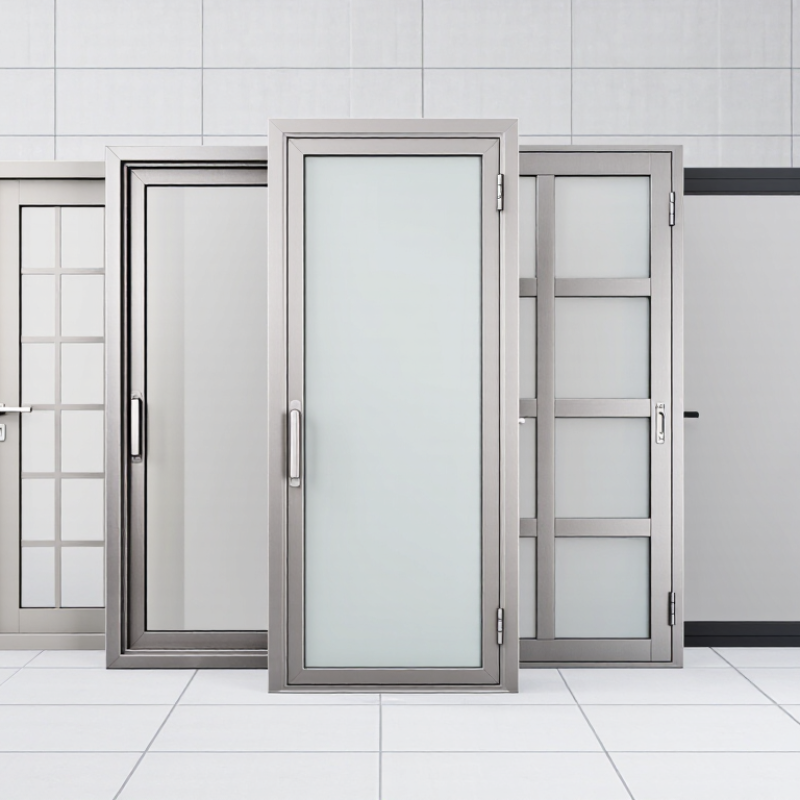
Choosing the right Aluminum Bathroom Door is not simply a matter of matching tiles or selecting a fashionable finish. Global buyers must consider humidity, ventilation, water exposure, installation conditions, and long-term maintenance. A door that looks refined in a showroom may swell, stain, or corrode when exposed to daily steam. Small details matter. Think of wet hinges, narrow floor gaps, dripping towels, and cleaning chemicals used every morning.
Michael Chen, an aluminum door and building-envelope consultant, puts it clearly: “A bathroom door must control moisture before it celebrates style.” His view reflects a practical industry concern. Strong profiles, accurate corner joints, reliable seals, and suitable surface treatments often matter more than decorative features. Powder-coated aluminum can offer a clean appearance, while anodized finishes may provide a different texture and wear experience. However, no finish is perfect. Poor installation can still create leaks, rattling panels, or uneven closing.
This guide reviews seven Aluminum Bathroom Door options for international buyers. Each choice is considered through durability, design flexibility, cleaning needs, privacy, ventilation, and installation practicality. The best door depends on the project, not only the product photograph. A coastal hotel may need stronger corrosion resistance. A compact apartment may benefit from a sliding design. A family bathroom may need safer edges and simpler cleaning.
There is room for honest doubt. Product specifications can sound impressive, yet performance depends on workmanship and local conditions. Buyers should confirm dimensions, hardware quality, finish samples, warranty terms, and replacement support before ordering. A beautiful door is useful only when it continues working after years of steam, splashes, and everyday use.
Aluminum Bathroom Door Basics for International Buyers
Aluminum bathroom doors suit humid rooms because the frame resists swelling, warping, and routine water exposure. For international buyers, the alloy grade matters, but surface treatment matters too. Anodized finishes offer a hard, clean surface. Powder coating provides more color choices. Neither option makes the door maintenance-free. Salt air, soap residue, and poor drainage can still damage hardware.
Measure the opening in three places: top, middle, and bottom. Walls are often uneven. Record the smallest width and height. Check whether the door opens inward or outward. A bathroom with limited floor space may need a sliding design. Confirm the frame depth, threshold height, and available ventilation. Small errors create large installation problems. I have seen attractive doors fail because the hinge side was chosen too quickly.
International orders also require careful checks beyond appearance. Ask for the packing dimensions, net weight, hardware list, and installation instructions. Confirm that glass, if included, is safety-rated for the target market. Verify local building and electrical requirements before purchase. Coastal buyers should request corrosion-resistant screws and hinges. Buyers in cold regions may need stronger seals. One overlooked detail is replacement hardware availability. A door can be well made, yet difficult to maintain abroad. Protective corner packaging helps, although no packaging survives careless handling. Expect minor finish differences between samples and large production runs, and inspect the approved sample before shipment.
FAQS
Aluminum resists swelling, warping, and regular water exposure. It suits humid bathrooms well. However, hardware can still corrode. Salt air, soap residue, and poor drainage remain concerns.
Measure the opening at the top, middle, and bottom. Record the smallest width and height. Walls are rarely perfectly even. Small errors matter.
Check the available floor space before choosing. A sliding door may suit a compact bathroom. Confirm ventilation and threshold height too. I would not choose the hinge side quickly.
Compare alloy grade, wall thickness, and corner construction. Common 6063 aluminum offers clean extrusion performance. Thicker frames usually resist dents better. Busy hotel bathrooms may need stronger profiles.
Anodized finishes create a hard, clean surface. Powder coating offers more color choices and often better surface hardness. Ask for coating thickness and adhesion results. Dark matte finishes may show water spots.
Request corrosion-resistant screws, hinges, and handles. Check load ratings and adjustment access. Coastal locations need stronger corrosion protection. Replacement hardware availability matters abroad.
Confirm that the glass meets the destination market’s safety requirements. Ask about thickness, edge treatment, seals, and replacement availability. Tempered glass is common. Laminated glass can retain fragments after breakage.
Ask for packing dimensions, net weight, hardware lists, and installation instructions. Protective corner packaging can reduce damage. It cannot prevent careless handling. Inspect the approved sample before shipment.
No finish stays perfect. Soap marks and water spots still need regular cleaning. Poor drainage can damage hinges and screws. A durable door may still require maintenance.
Recycled aluminum may use much less energy than primary aluminum. Ask for verified recycled-content documents. Durability also matters because frequent replacement creates more waste. The cheaper option is not always wiser.
Conclusion
Choosing the right Aluminum Bathroom Door requires more than comparing appearance and price. Global buyers should understand the differences among sliding, hinged, folding, pivot, framed, semi-frameless, and fully frameless designs, as well as how aluminum grades, protective finishes, seals, hinges, handles, and glass types affect durability, privacy, safety, and daily comfort. The best option depends on bathroom size, moisture conditions, ventilation, accessibility, and the desired design style.
Before ordering, buyers should confirm opening measurements, door swing or sliding clearance, glass thickness, edge treatment, hardware quality, and compatibility with local installation practices. It is also important to review applicable safety standards, certification documents, packaging methods, shipping terms, and installation instructions for the destination market. A reliable supplier should provide clear specifications, consistent quality, transparent pricing, replacement-part support, and maintenance guidance. With regular cleaning, prompt inspection of seals and hardware, and proper care of the aluminum finish, a well-selected door can offer long-lasting performance in residential, hospitality, and commercial bathrooms.