Nanhai District, Foshan, Guangdong, China [email protected] Become a Dealer
0%

Choosing an Aluminum Door With Window involves more than comparing finishes or prices. Global buyers must match the door to its location, building design, and daily use. A bright entryway may benefit from clear glazing, while a bedroom or street-facing space may need more privacy. Frame size, glass configuration, seals, hinges, and locking hardware all affect how the door works over time.

Conditions differ. Coastal air, heavy rain, strong sun, and cold winters can place different demands on materials and installation. Ask suppliers for clear product specifications, including frame details, glass options, and available performance information. Check that measurements, handing, and opening direction suit the project before ordering. Local building requirements also vary, so buyers should confirm applicable standards with qualified professionals in their area.

This guide introduces ten aluminum door styles with windows for homes and commercial spaces. It compares practical features such as panel layout, light, privacy, and likely applications, rather than declaring one design best for everyone. Product descriptions and performance claims can vary by manufacturer. Installation quality matters, too. A well-made door may still disappoint if it is poorly fitted or unsuitable for its exposure. That is worth remembering. Use the comparisons as a starting point, then verify specifications, warranties, and service options directly with the supplier. The right choice is usually the one that fits the opening, climate, budget, and intended use—not simply the most impressive photograph.
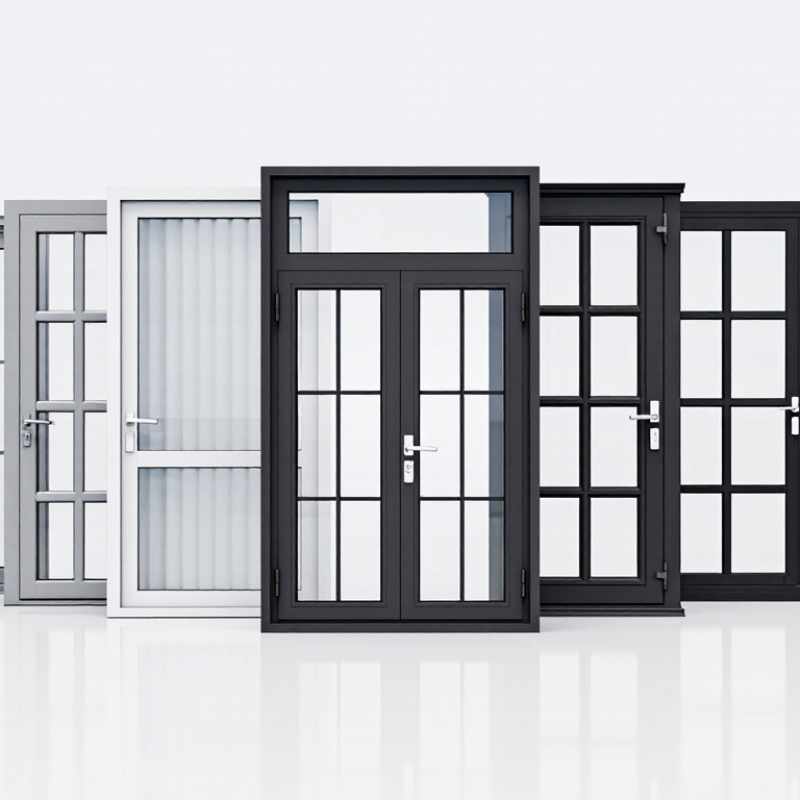
Top 10 Aluminum Doors With Windows for Global Buyers

Understanding Aluminum Doors with Windows and Their Main Components

Aluminum doors with windows combine a structural frame, glazing, seals, hardware, and drainage paths. The frame carries the door’s weight, while glass controls daylight, views, and much of its thermal performance. Aluminum is strong and allows narrow sightlines, but it conducts heat readily. A thermal break—a non-metal section between the frame’s inner and outer surfaces—helps limit that transfer.

Small details matter.

The U.S. Department of Energy’s Energy Saver guidance estimates that heat gain and loss through windows account for 25–30% of residential heating and cooling energy use. That figure is not specific to glazed doors, but it shows why glass selection deserves attention. Low-emissivity coatings, insulated glazing, and well-fitted weather seals can reduce unwanted heat flow.

The National Fenestration Rating Council’s labels provide comparable measures such as U-factor and solar heat gain coefficient; buyers should check the actual product configuration, not just the frame material.

Water needs an exit. Drainage channels and weep openings help move rain away from the sill, while hinges and multipoint locks affect operation and closure.

I would not treat one rating as a complete answer: installation gaps and worn seals can undermine an otherwise capable door. A little less glamorous, perhaps, but essential.

Ten Popular Aluminum Door Styles with Windows for Global Buyers

Single-hinged, full-lite aluminum doors bring daylight into compact entries, while keeping the opening simple to operate. French doors use two glazed leaves and suit wider entrances, but need clear floor space for both panels. Sliding patio doors save room beside a deck or balcony. Multi-panel sliding systems create broader views, although their tracks need regular cleaning. Bi-fold doors fold toward the sides and can open a large wall section. Measure carefully; small errors matter.

Lift-and-slide doors raise slightly before moving, which helps with larger, heavier panels. Pivot doors rotate on floor and head hardware, making a bold entrance, though furniture placement can limit their swing. Aluminum doors with narrow sidelights add light without widening the door leaf. Arched-top glazed doors bring a softer shape, but custom profiles may increase lead time. Grid-glazed, industrial-style doors offer a strong visual pattern; the grid can feel busy in a small room. Across all ten styles, compare frame depth, drainage, weather seals, and glass performance for the intended climate. A slim frame looks elegant, yet it is not always the best choice for insulation or frequent use.

Comparing Glazing, Frame Systems, Security, and Energy Performance

Aluminum doors with windows vary widely in comfort and security. Compare the glass, frame, seals, and locking hardware as one system. Double glazing with low-emissivity coatings can reduce heat transfer, while laminated inner panes may stay together after impact. Ask for tested U-factor and solar heat gain coefficient values; lower U-factor generally means better insulation. The U.S. Department of Energy’s Energy Saver guidance estimates that windows account for about 25–30% of residential heating and cooling energy use. That figure is a U.S. benchmark, not a global guarantee. Climate matters.

Frame design matters, too. Thermal breaks separate interior and exterior aluminum, limiting heat flow through the metal. Check corner joints, drainage paths, and weather seals; a narrow gap can spoil an otherwise strong specification. For security, compare multipoint locks, reinforced frame corners, and glazing retention, not just pane thickness. Request independent test reports for air leakage, water penetration, and structural performance. Small details count. Ratings may use different methods across markets, so confirm the test standard and units before comparing products. One caveat: attractive specifications do not ensure careful installation, and that part is easy to underestimate.

Matching Door Designs to Building Types, Climates, and Local Codes

Top 10 Aluminum Doors With Windows for Global Buyers

Choosing an aluminum door with windows starts with the building, not the catalog. A narrow entry in a windy coastal home needs different glazing and hardware from a bright office corridor. Thermal-break frames can reduce heat transfer in cold or hot climates, while suitable coatings help protect exposed frames from moisture and salt. Ask for documented performance data, including air leakage, water resistance, and structural ratings. Local requirements vary, so confirm glazing, safety, energy, and egress rules with a qualified local professional before ordering.

Tips: Match the glass to the room. Clear glazing brings daylight to a shaded entrance, while frosted panels add privacy near a bathroom or street. In areas with strong sun, consider solar-control glass. Check frame depth and opening direction against the wall, flooring, and nearby furniture. Small details matter.

For homes, slim frames can make a hallway feel brighter; for shops, larger glazed panels improve visibility but may need stronger hardware. In high-wind regions, verify tested pressure ratings rather than judging strength by appearance. Coastal projects deserve extra attention to finish maintenance and compatible fasteners. The sleekest design is not always the easiest to maintain, and product labels can be confusing. Compare complete test documents, then review installation details with the supplier and installer before final selection.

Top 10 Aluminum Doors With Windows for Global Buyers - Matching Door Designs to Building Types, Climates, and Local Codes

No. Door Design Typical Building Type Climate Considerations Glazing and Frame Features Key Local-Code Checks
1 Thermally broken sliding patio door Houses, apartments, and residential balconies A thermally broken frame can reduce heat transfer through the aluminum. Specify appropriate insulated glazing for cold or hot climates; check drainage and weather seals for wind-driven rain. Large fixed or sliding glazed panels; insulated glass units may include low-emissivity coatings and gas fill where suitable. Verify wind-load, water-penetration, energy-performance, fall-protection, and safety-glazing requirements. Confirm required clear opening and accessible threshold where applicable.
2 Aluminum-framed storefront entrance with glazed sidelights Retail premises, offices, and public-facing ground floors Use a suitable thermal-break system in climates with significant heating or cooling demand. Select durable finishes and corrosion-resistant hardware for humid or coastal locations. Full-height glazed door leaves with matching fixed sidelights; glazing can be specified as insulated or safety glass according to the project. Check accessible entrance, clear opening, threshold, egress hardware, safety glazing, structural loading, and any required thermal or fire-performance provisions.
3 Impact-rated glazed entrance door Coastal homes, hotels, and commercial buildings in storm-prone regions In hurricane- or cyclone-prone areas, the complete door assembly may need testing or approval for the local design wind pressure and windborne-debris requirements. Impact-resistant glazing and a frame, hardware, and anchorage tested as a compatible assembly; laminated glass is commonly used in impact-resistant systems. Confirm the applicable wind zone, design pressure, impact-test standard, approved product documentation, installation details, and emergency-egress requirements. Rules vary by jurisdiction.
4 Bi-fold glazed aluminum door Homes, restaurants, and event spaces opening onto patios or terraces Pay particular attention to perimeter seals, track drainage, and wind resistance in exposed locations. Thermally broken profiles and suitable insulated glazing can improve comfort. Multiple hinged panels fold to one or both sides; configurations and panel sizes depend on the tested system and project design. Check structural limits, wind and water performance, threshold accessibility, safety glazing, guarding at open edges, and the required escape route when the panels are closed.
5 Commercial narrow-stile glazed swing door Offices, schools, shops, and other high-traffic entrances For exposed entrances, specify suitable seals, drainage, hardware, and corrosion protection. A thermally improved frame may be appropriate where energy codes require it. Glazed leaf with slim aluminum rails and stiles; can be paired with a transom or fixed sidelights. Verify accessible hardware and clear opening, door-closing requirements, safety glazing, egress operation, and opening force limits where applicable.
6 Glazed aluminum entrance with transom window Apartment lobbies, offices, clinics, and institutional buildings Choose glazing and frame performance to suit local heating and cooling conditions. Weather exposure above the entrance makes head flashing and water management important. A glazed door paired with a fixed window above it; transom dimensions and support must be designed for the opening and loads. Check structural support, safety-glazing locations, accessibility, egress, energy performance, and any smoke-control or fire-compartment requirements.
7 Aluminum French doors with glazed panels Residential gardens, balconies, hospitality suites, and meeting rooms Insulated glazing and thermally broken frames can help manage heat loss or solar gain. Wind exposure should be assessed because paired leaves create additional meeting-stile joints. Two hinged leaves, often with large glazed areas; may include fixed sidelights or a fixed leaf depending on the design. Confirm active-leaf clear opening, accessible threshold, safety glazing, wind-load capacity, and egress requirements for the intended room and occupancy.
8 Fire-rated glazed aluminum door assembly Corridors, stair enclosures, and other locations requiring a fire-rated opening Specify the complete tested assembly for the building conditions. Fire-rated glazing and framing are specialist products and should not be substituted with ordinary door glass. Listed or approved door, frame, glazing, seals, and hardware configured as a fire-protection-rated assembly; ratings and permitted glazing areas depend on the system. Verify the required rating, local approval or listing, permitted opening size, smoke-control provisions, closer and latch requirements, and installation details with the authority having jurisdiction.
9 Acoustic glazed aluminum door Hotels, studios, meeting rooms, healthcare spaces, and buildings near busy streets Specify weather seals that suit the exposure without compromising the tested acoustic configuration. Insulated glazing may also support thermal performance. Acoustic performance depends on the entire door set, including glass, frame, seals, threshold, and installation—not glazing alone. Check project acoustic targets and test data for the complete assembly. Also verify accessibility, safety glazing, ventilation strategy, and any fire or egress requirements.
10 High-performance glazed aluminum entrance door Energy-conscious homes, offices, and public buildings in demanding climates Suitable configurations may combine thermal breaks, insulated glazing, solar-control coatings, and effective seals. Select solar and insulation properties for the local climate and orientation. Single or double glazed leaves with insulated glass units; performance depends on the specified frame, glazing, spacer, seals, and installation. Compare whole-door energy data with local code limits. Confirm safety glazing, air and water leakage, wind resistance, accessible operation, and egress provisions.

Selection note: Door performance depends on the complete installed assembly, including frame, glazing, hardware, seals, anchorage, and workmanship. Building codes and product-approval requirements differ by country and project; confirm current local requirements with the design professional and relevant authority before specification.

Assessing Suppliers, Customization Options, Shipping, and Maintenance

For global buyers, choosing an aluminum door with windows starts with accurate measurements, not a catalog image. Give suppliers the opening size, wall depth, and preferred swing direction. Ask how the frame handles water drainage and whether it includes a thermal break for temperature control. Request drawings, glass specifications, and test documents relevant to your project. Good records matter. A low quote is less useful if key details remain unclear.

Customization can cover glazing, frame color, hardware, and screen options. Confirm which choices affect production time or require minimum order quantities. A sample corner or finish chip can help, though it cannot show every difference in a full-sized door. That limitation is easy to overlook. Before production, approve a written specification with dimensions, glass type, finish, and hardware listed together.

Shipping needs equal attention. Ask how glass is protected, how frames are braced, and what packing details appear on the shipment documents. Confirm delivery terms, insurance responsibilities, and who handles damage claims before the order leaves. After installation, clean frames with mild soap and water; abrasive pads can mark the finish. Check seals, drainage openings, and moving hardware periodically. Salt air and dust may call for more frequent cleaning, but maintenance schedules should reflect the actual site.

Top 10 Aluminum Door Glazing Options for Global Buyers

Indicative center-of-glass U-factor benchmarks for glazing packages commonly used in aluminum doors. Lower values indicate less heat transfer.

These approximate reference values are for the glazing only, not complete door assemblies. Actual performance depends on the glass, frame, spacer, dimensions, and test method. When comparing suppliers, request certified whole-door performance data and confirm customization, packing and shipping arrangements, and maintenance requirements for the intended climate.

FAQS

Which aluminum door style works best for a small entry?

A single-hinged, full-lite door brings daylight into a compact entry. Check the swing clearance. Small spaces make that easy to miss.

When should I choose sliding or bi-fold doors?

Sliding doors suit patios and balconies because they do not need a wide swing area. Bi-fold doors can open a larger wall section, but measure carefully.

What should I consider when choosing glass?

Clear glass brightens shaded spaces, while frosted glass adds privacy near streets or bathrooms. Solar-control glass may help in strong sun. The right choice depends on the room.

How can I check whether a door suits my climate?

Ask for test documents covering air leakage, water resistance, and structural ratings. Thermal-break frames can reduce heat transfer. Appearance alone tells you little.

What details matter in windy or coastal areas?

Check tested pressure ratings for windy locations. Near salt air, ask about protective finishes and compatible fasteners. Maintenance may need to be more frequent.

What information should I give a supplier?

Provide the opening size, wall depth, and preferred swing direction. Request drawings, glass specifications, and relevant test records. Keep the details together.

What should I confirm before production and shipping?

Approve written specifications listing dimensions, glass, finish, and hardware. Ask how the glass will be protected and frames braced. Confirm delivery terms and damage responsibilities.

How should I maintain aluminum doors with windows?

Clean frames with mild soap and water; abrasive pads can mark the finish. Check seals, drainage openings, and moving hardware periodically. Dust and salt change the schedule.

Conclusion

This guide explores the key features of aluminum doors with windows, from frame construction and hardware to glazing choices. It introduces ten popular styles for global buyers, including designs suited to entrances, patios, balconies, and interior spaces. Readers can compare glass types, frame systems, security features, and energy performance to understand how each option may affect comfort, durability, and everyday use. An Aluminum Door With Window can bring natural light into a building while providing a practical transition between indoor and outdoor areas.

The guide also explains how to match door designs with building types, climate conditions, and applicable local requirements. It outlines what to consider when assessing suppliers, requesting customization, arranging international shipping, and planning ongoing maintenance. By reviewing these factors together, buyers can make more informed choices based on project needs, installation conditions, and long-term performance rather than appearance alone.

Charlotte

Charlotte

Charlotte is a professional marketing specialist with a strong understanding of the company’s products, their practical applications, and the needs of the customers they serve. She combines careful research with clear, approachable communication, helping readers understand product features, compare......